Free standard shipping for orders over $250.

Breeding work on Amnesia Haze Auto continues

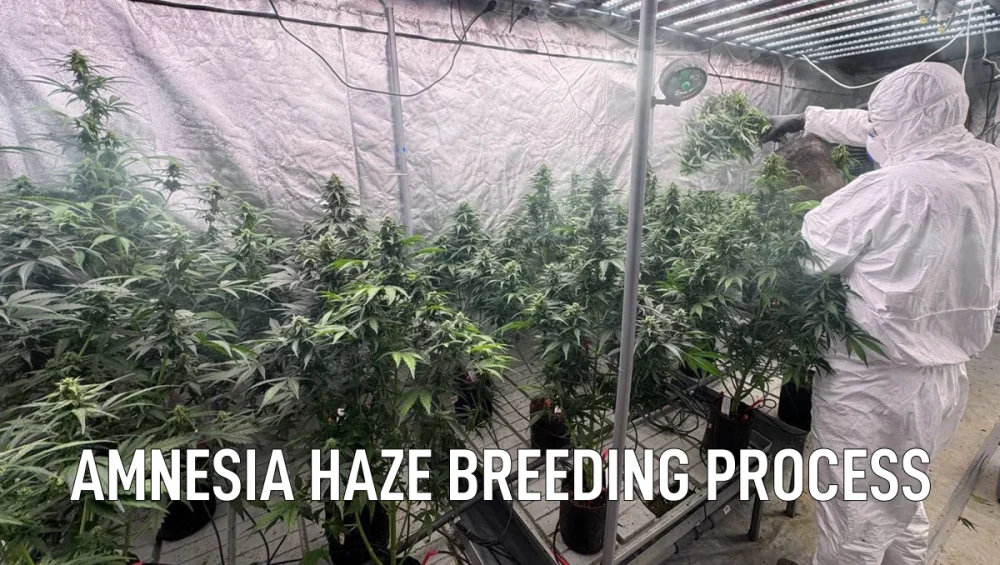
We are starting a new Amnesia Haze run – yes, that legendary Amnesia everyone knows and loves. It’s a strain so familiar to growers and enthusiasts that, over time, it has almost become taken for granted. That’s exactly why we believe it’s time to push it to the next level and give it a fresh perspective through a new production cycle.
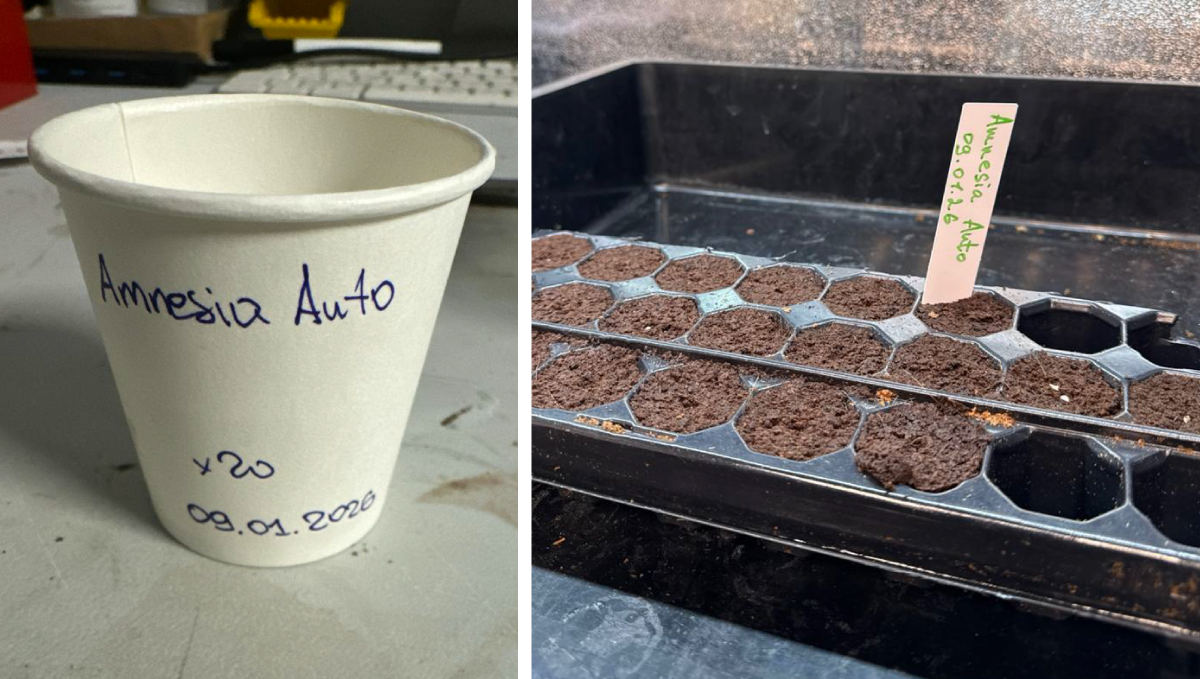
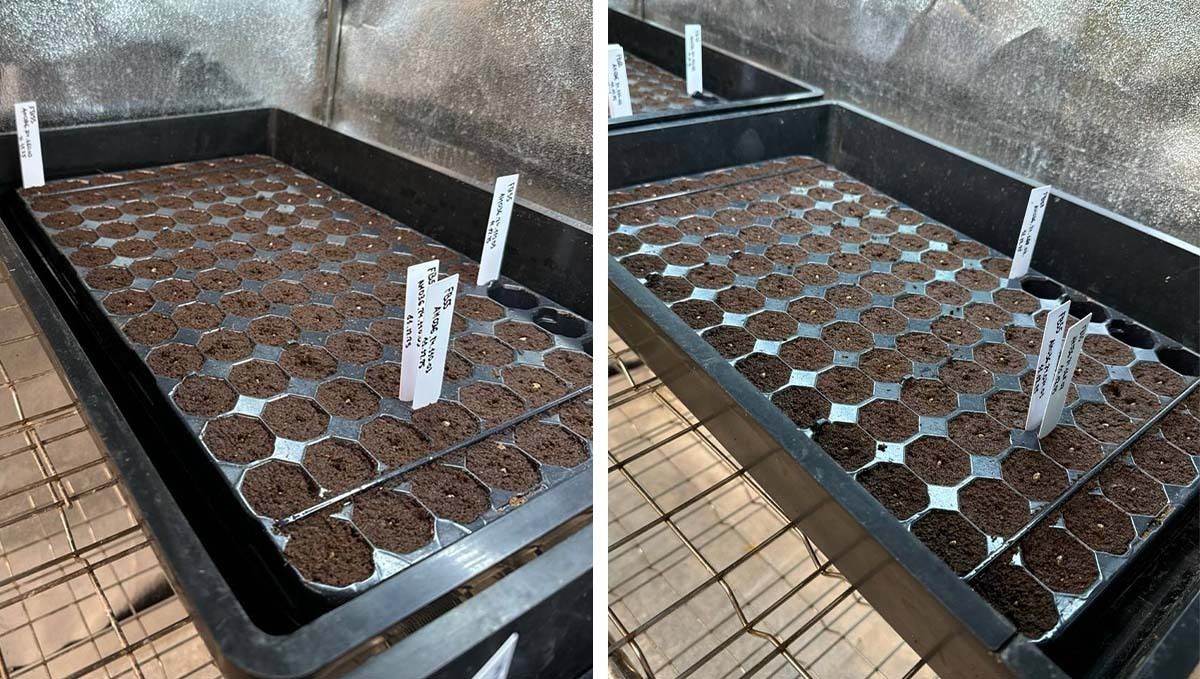
Germination of Amnesia

Germination of Amnesia

As mentioned in our previous articles, our process always starts with a simple and proven approach. Seeds are first soaked in water for 24–72 hours, allowing them to fully activate before planting. Once ready, they are placed into SABIKA peat starter plugs, a method we consistently rely on for clean starts and reliable early development.

As with all our projects, we begin with the future fathers. They are always started two weeks earlier than the main group of mothers, allowing them to develop calmly and consistently before the rest of the cycle catches up. This timing plays a key role in maintaining proper alignment throughout the later stages.
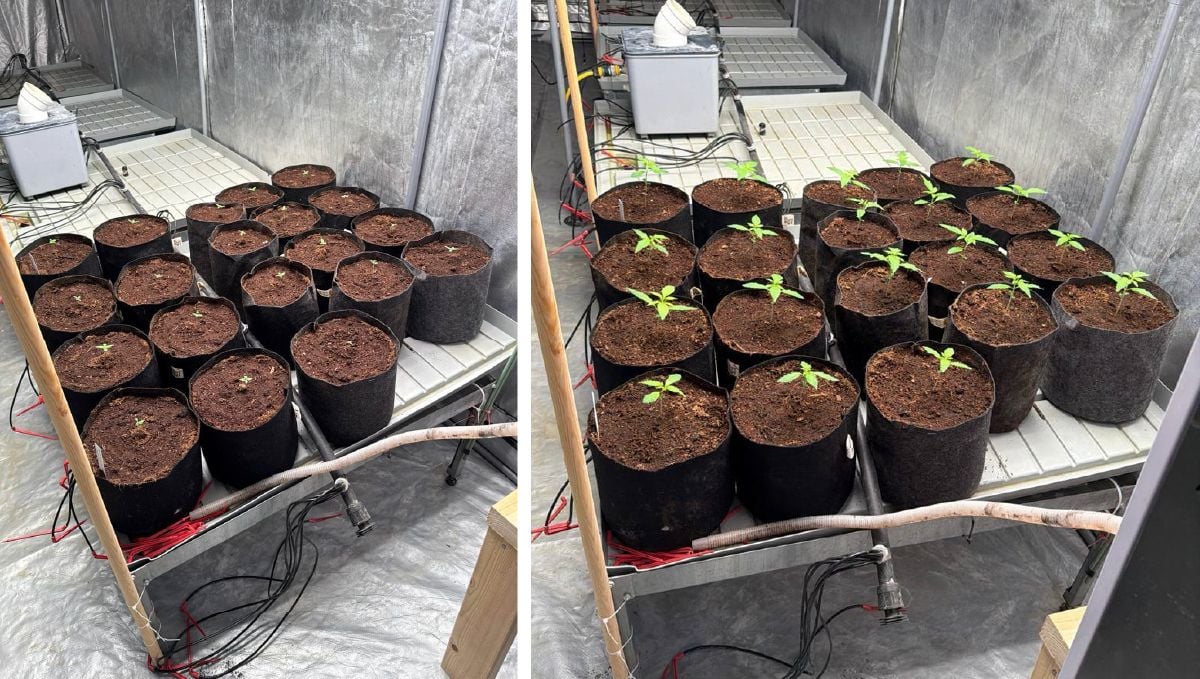
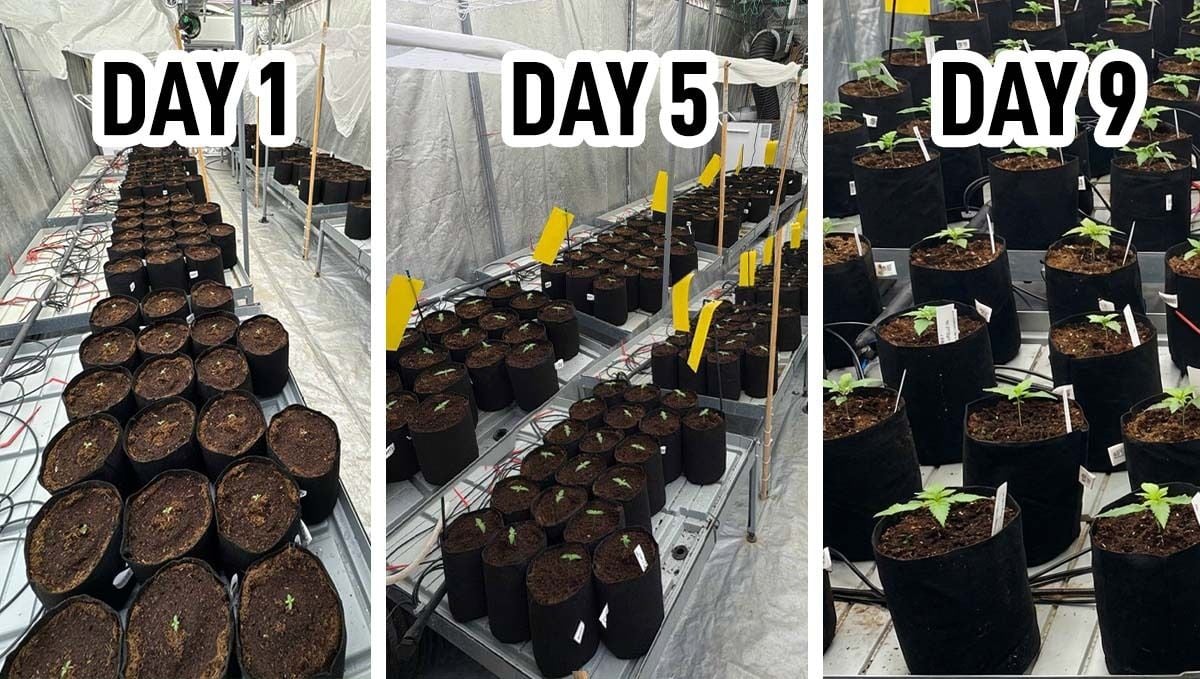
1 week difference

One-Week Growth Difference

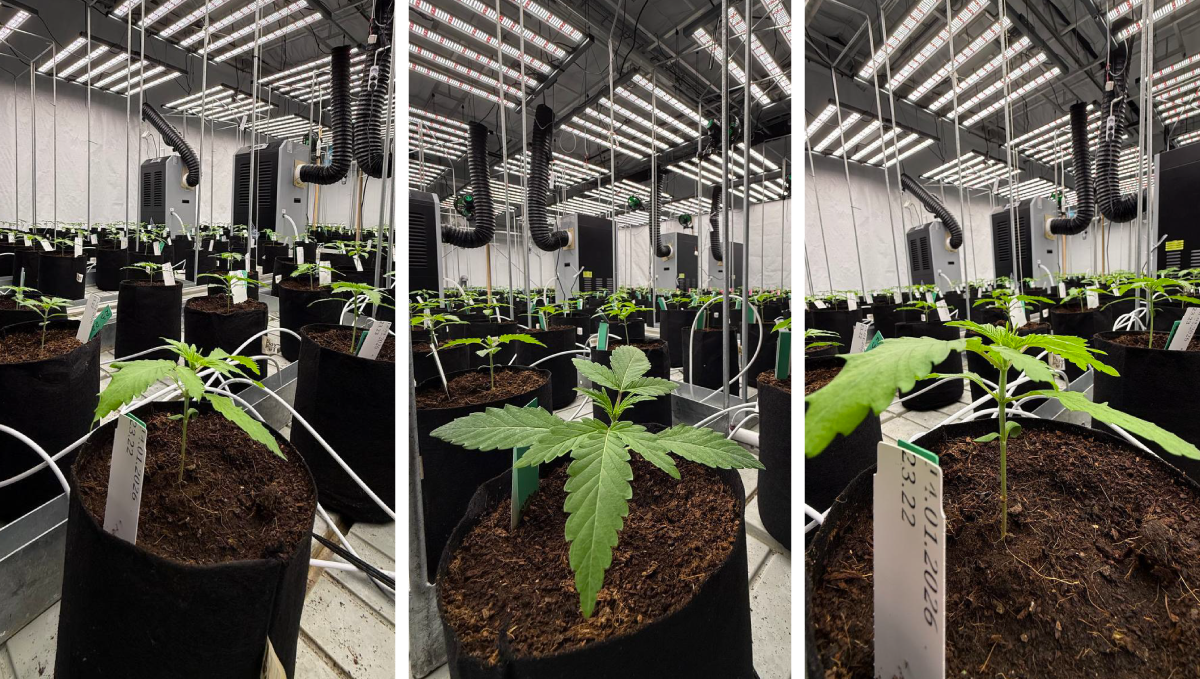
In the photo collage, you can clearly see the difference created over the course of just one week. The comparison shows plants shortly after being transplanted into coco from peat starter plugs versus the same plants one week later, grown under controlled conditions with manual irrigation. This side-by-side view highlights how quickly Amnesia responds once it establishes itself in the medium and settles into a stable rhythm.

These early stages are especially important for setting the tone of the entire run. Strong, even development at the beginning allows us to move forward with confidence, knowing that the foundation of the cycle is solid and ready for the next phases.

The next stage of this Amnesia Haze run will focus on the mothers. Seeds are about to be initiated, followed by the introduction of approximately 160-180 mother plants into the grow tent. This step will complete the core structure of the cycle and bring all key participants together in one space.

We’ll cover this phase in detail in the next update.

Planting the Mother Plants

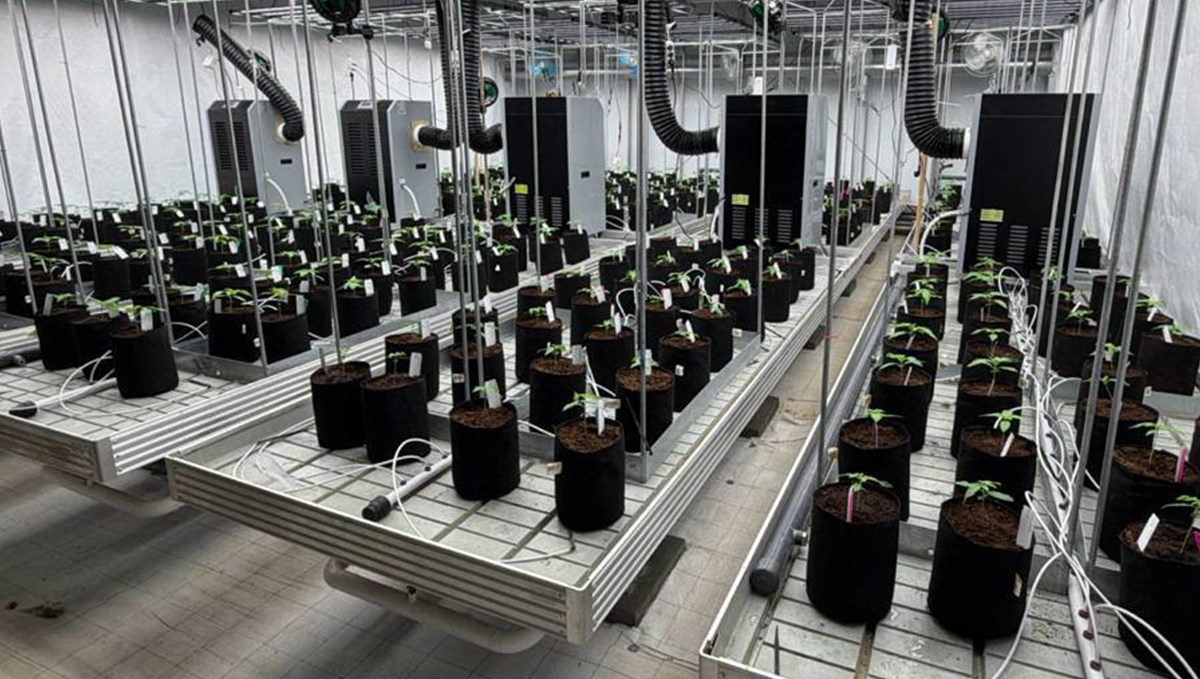
In this update, we are sharing a new milestone in the Amnesia Haze cycle. This time, the focus is on the mothers. A time-lapse video captures the introduction of 123 mother plants, turning this stage into a visual snapshot of the scale and rhythm of the project. Alongside the video, we also share a general photo showing how the space looks immediately after planting.

As always, the planting followed our standard and well-tested approach. The coco medium was prepared with an 85/15 blend enriched with humus. Each planting hole received mycorrhiza, supporting early root interaction with the medium. The first watering was done fully by hand, allowing us to carefully observe each plant and ensure an even, confident start.

Planting the Mother Plants

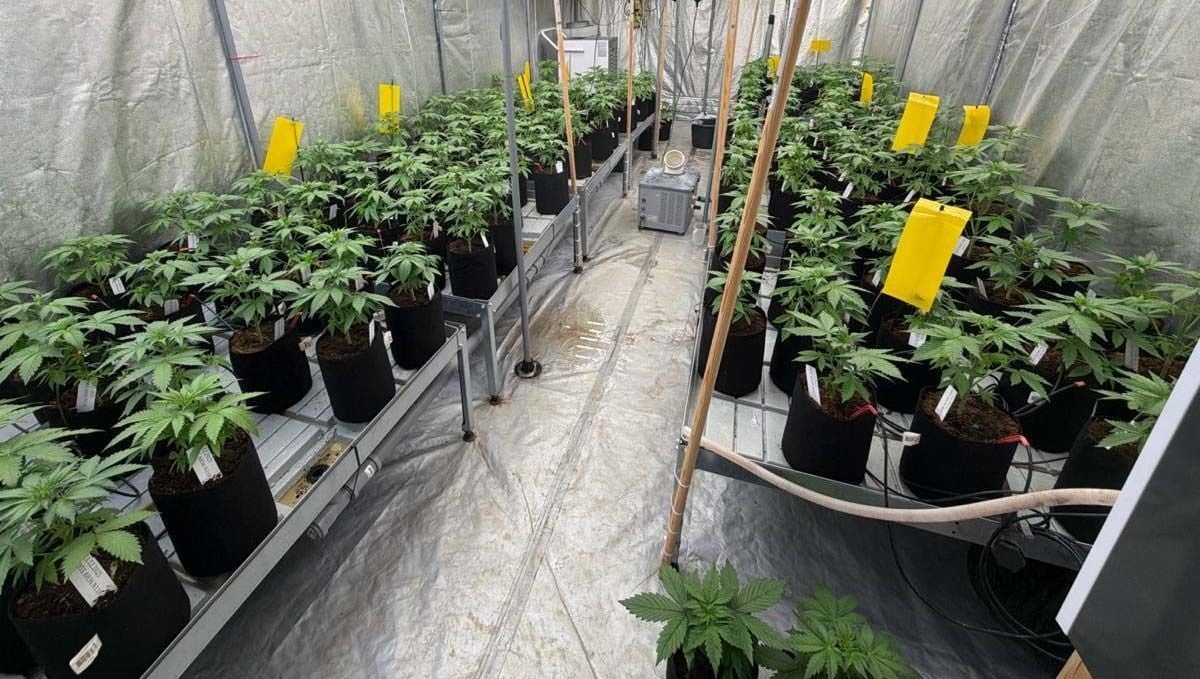
With all mothers now in place, the structure of the cycle becomes clearly defined. The tent is filled, spacing is set, and the plants can now settle into their environment. This moment is less about action and more about observation. From here, growth will dictate the next steps.

The focus now shifts to timing. We allow the mothers to establish themselves while keeping a close eye on the fathers. As soon as the right window opens, we will move forward with the next phase and begin preparing the males for spraying.
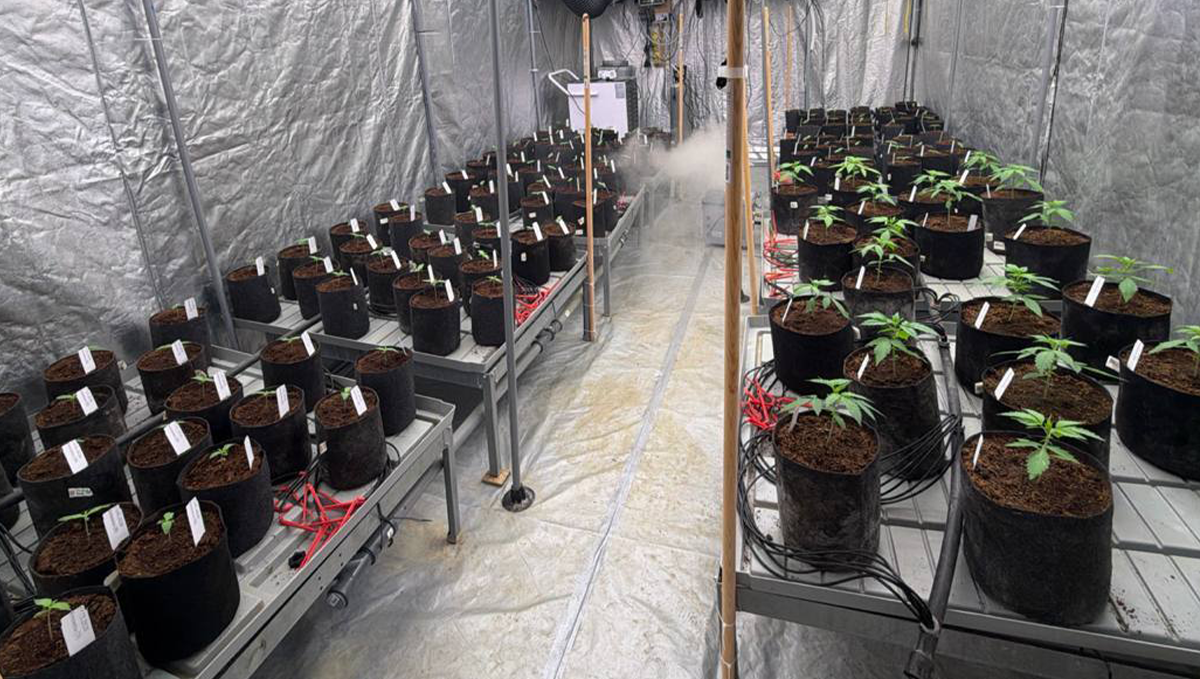
Tent Setup After Planting

Tent Setup After Planting

For now, we wait, watch, and let the plants do what they do best. More updates will follow as the cycle continues to unfold.

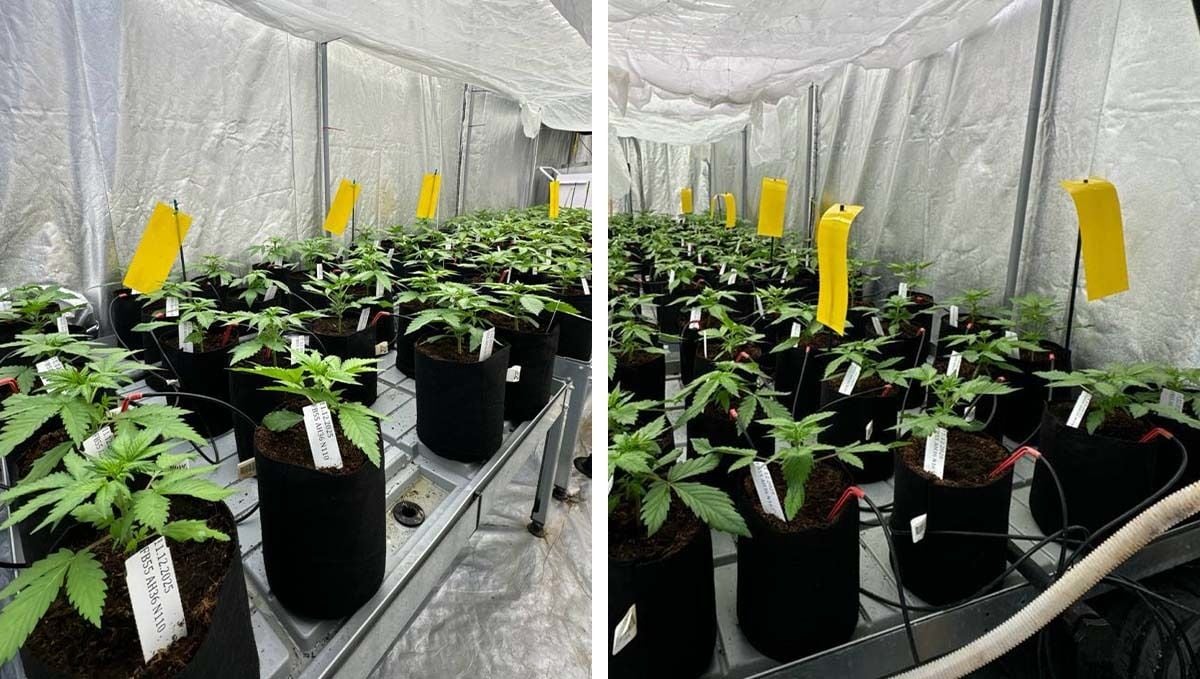
Visible Growth & Stability


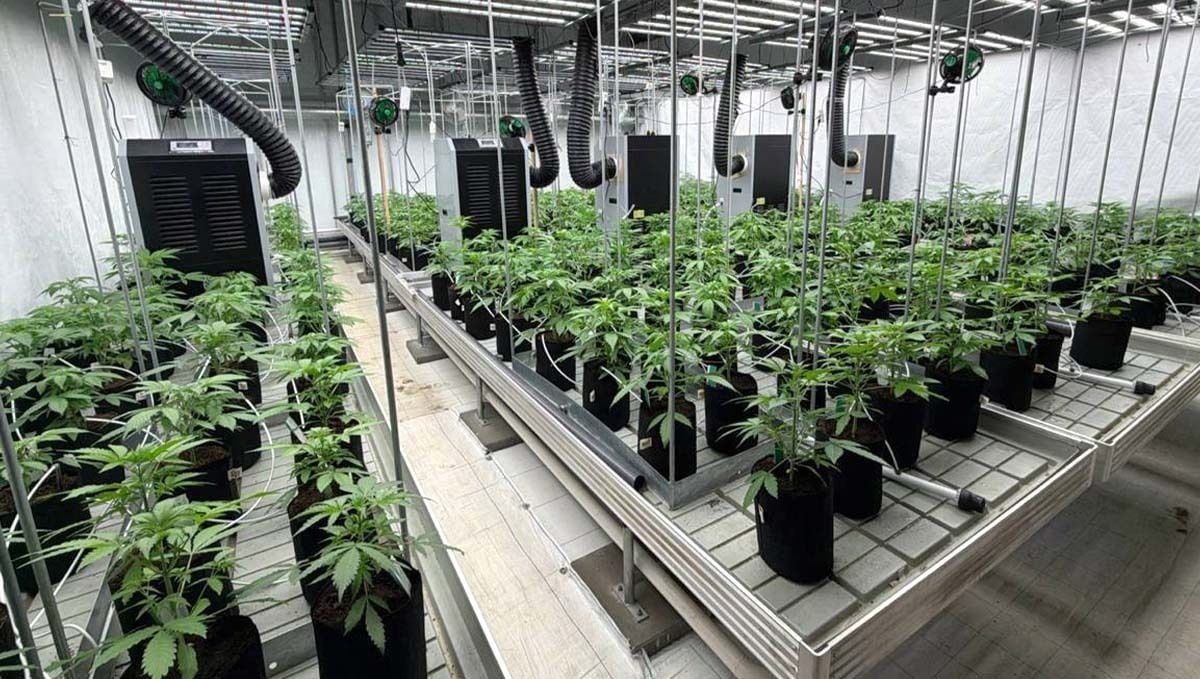
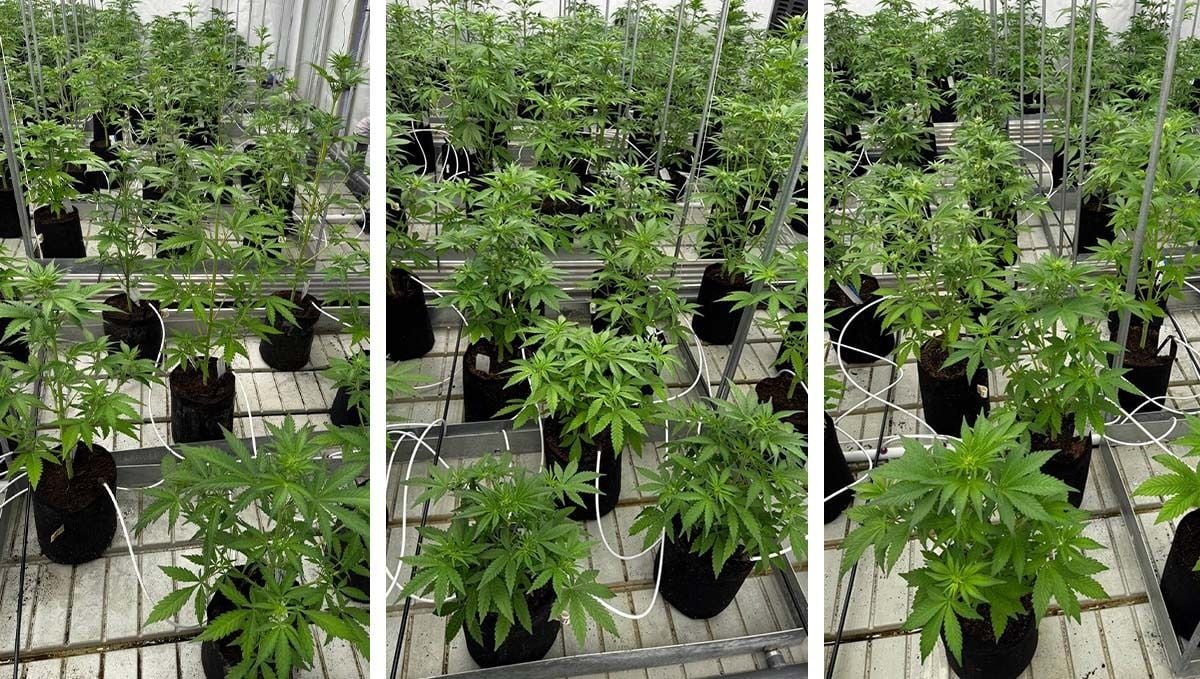
Over the past period, our Amnesia Haze has shown noticeable growth. Plants have expanded their structure, strengthened their stems, and developed evenly across the canopy. At this stage, we can clearly observe that all bushes remain within the same growth spectrum. This uniformity is a very positive signal and directly reflects the genetic stability of the line.

When plants move together in rhythm without extreme variation, it gives us confidence in the foundation we are working with. Stability at this stage sets the tone for everything that follows.
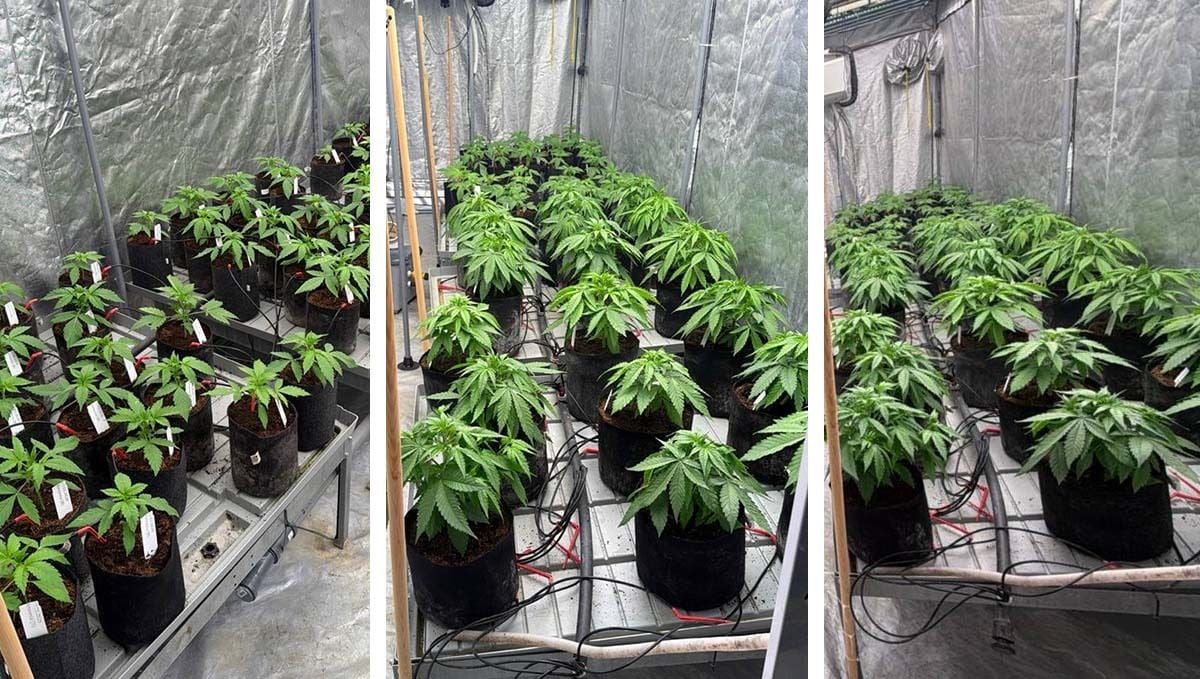
Visual update

Visual update after 10 days

STS Applications & Reversal


During this period, we completed three STS applications on the males. Mobility and precision are essential in this process if the goal is to achieve a strong and high-quality reversal. A light spray is not enough. The solution must be applied thoroughly, ensuring full coverage until runoff begins from the leaves.
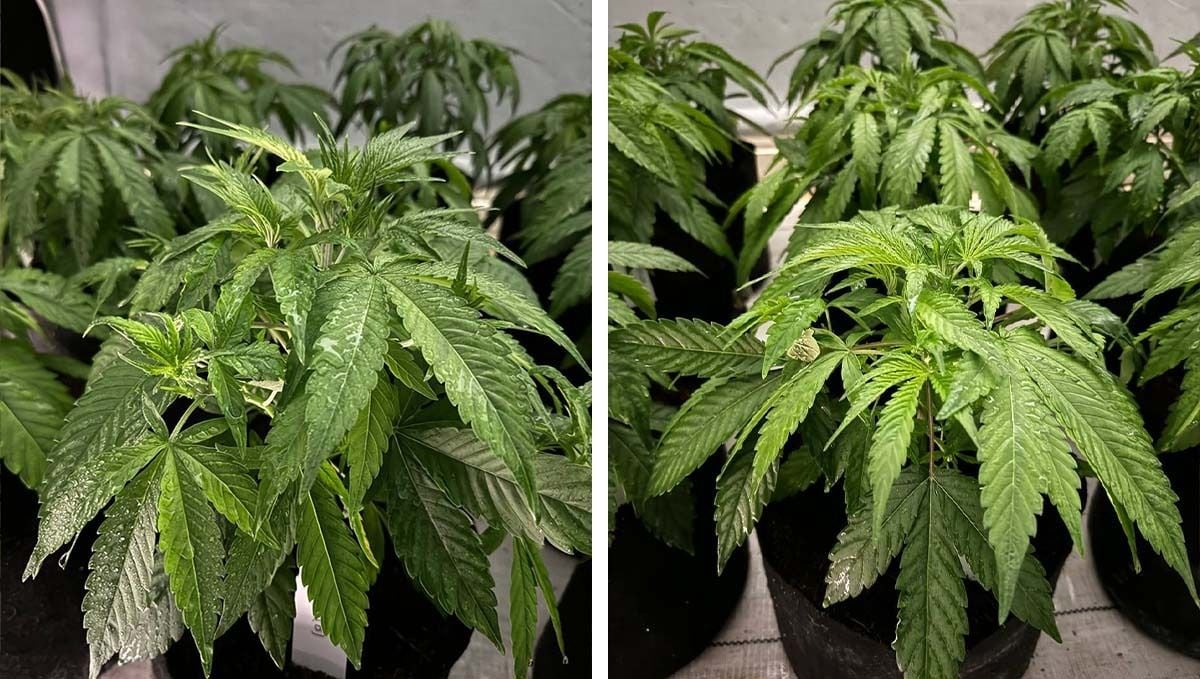
STS Applications

STS Applications

Many plants have already shown early signs of reversal. With experience, we are able to detect the first formation of pollen sacs even in the earliest and most subtle stages. As soon as we identify the first clear male expressions, spraying is stopped. Timing here is everything.
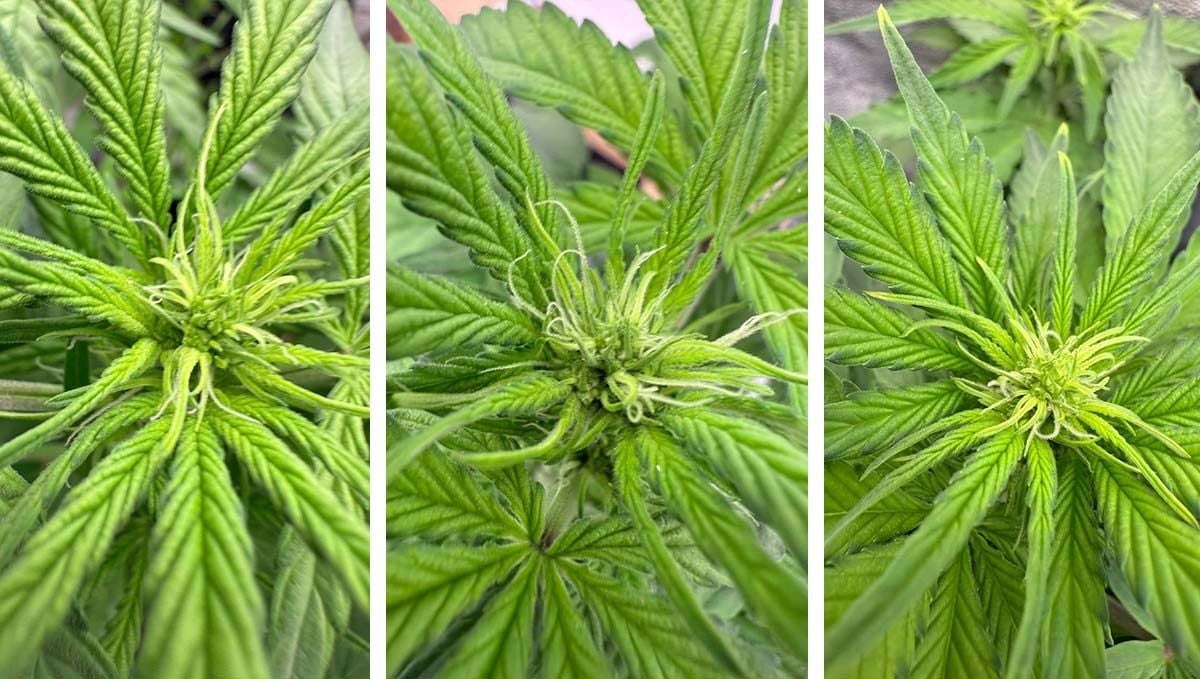
Reversal

Reversal of Males


Lighting & Flush 


Light intensity is currently set at 500 PPFD. This level allows us to maintain steady development without introducing unnecessary stress while plants approach pre-flower.

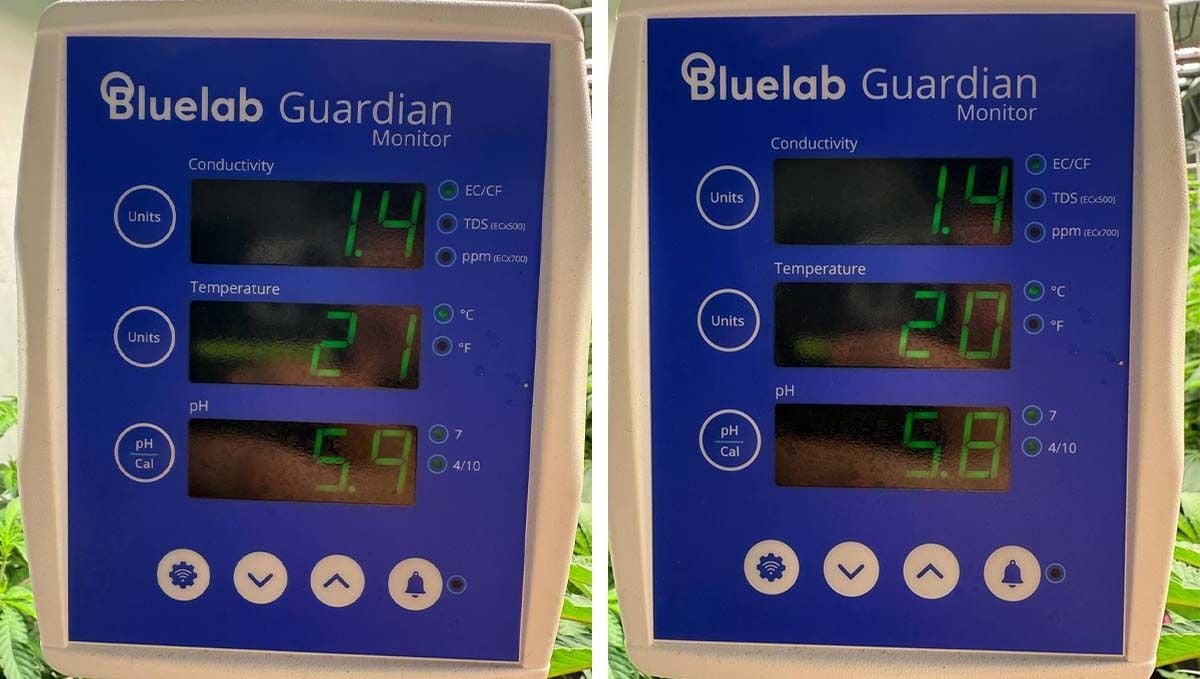
We also performed a controlled flush using parameters of 1.4 EC and pH 5.9. This step ensures that the medium is free from salt buildup and prevents potential nutrient lockout as plants transition toward flowering. Maintaining a clean and balanced root environment now reduces risks later in the cycle.

 Next Phase: Defoliation & Selection 


The next step will be defoliation followed by selection. This stage is crucial. We will identify and keep only the strongest and most stable plants. Any individuals lagging behind in development or, on the contrary, stretching too aggressively will be removed immediately.

https://2fast4buds.com/videos/embed/932035zo4inp

Visual Update

Our objective is clear. We are searching for the best possible expression of Amnesia. Only plants that demonstrate balance, strength, and structural integrity will move forward in the cycle.

Transition into flowering and huge selection. 

 At this stage of transitioning into flowering, we noticed a clear inconsistency in structure and growth. Because of this, our goal for the week is to level out the plants — removing those that are too small or differ in structure – so that only one stable phenotype remains. This phenotype should transition into flowering on time, maintain a consistent medium growth rate, and have a uniform plant structure.

Huge selection of Amnesia

After this round of selection, only 60 of the best plants remained out of the original 130.

Amnesia after selection and arranging

At this point, we are left with plants that are all very similar to each other – they have transitioned into flowering on time and are ready for pollination. However, this is far from the final selection. In the end, we expect to keep around 15-20 final plants. Further selection will then be completed based on bud structure, and most importantly, in search of that distinctive and widely loved Amnesia terpene profile.

Polination.

 This stage is one of the most important in the entire process. Great attention must be paid not only to the selection of the mother plants, but also to the choice of the father pollinators, as they contribute 50% of the genetics to the future offspring. That’s why factors such as size, structure, flowering speed, and stress resistance are all crucial here.  In the end, we were left with 2 fathers out of the original 30 – nothing to be done, only the best remain. After selecting the best plants and arranging them so that each one has enough space and comfort, the most satisfying process begins – pollination. 
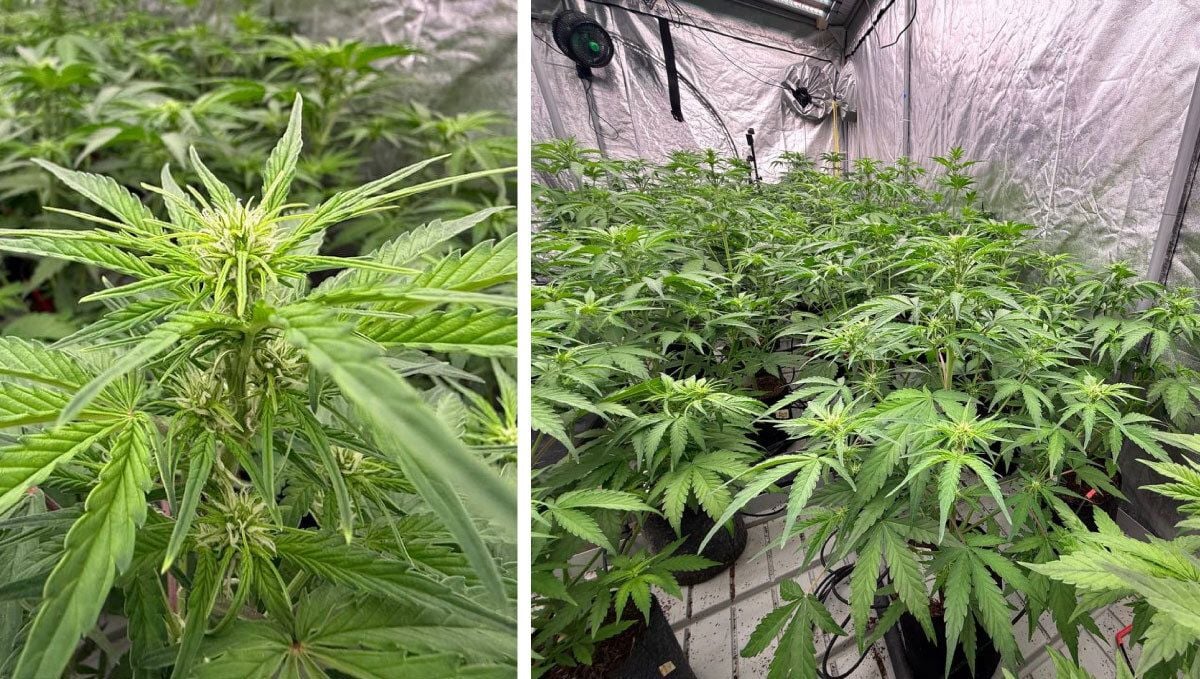
Ready plants to pollination

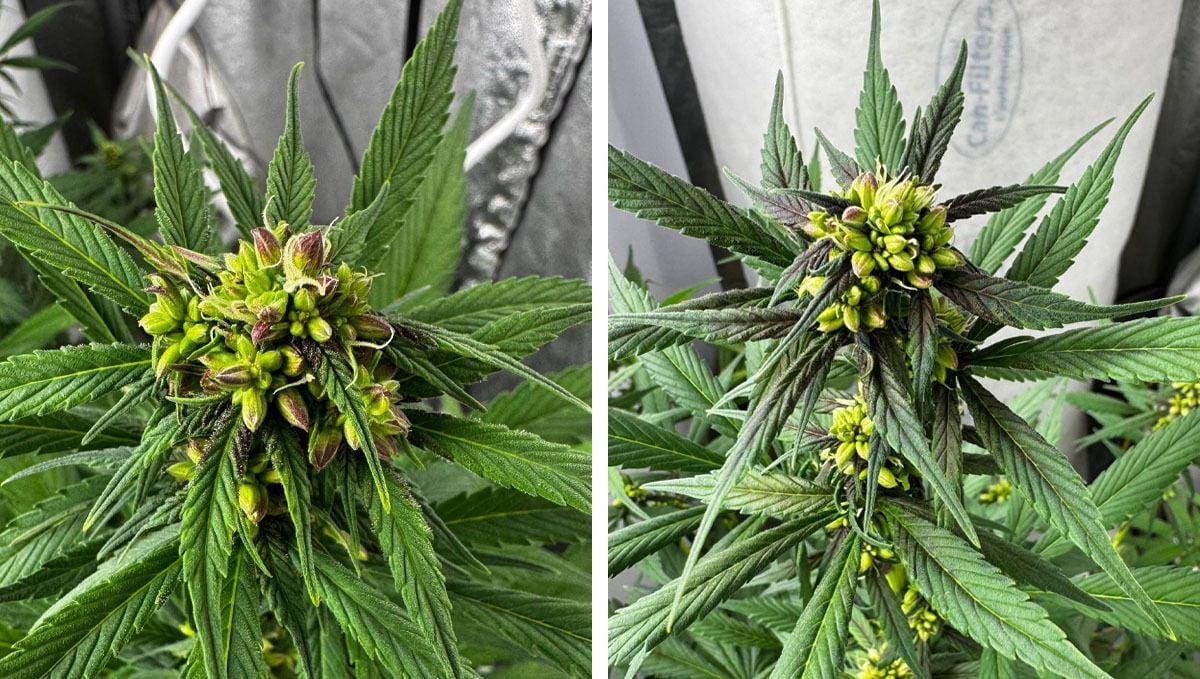
Early flowering of Amnesia Haze

At the moment when all the stigmas on the mother plants have opened, and the pollen sacs on the father plants have matured, produced pollen, and begun to open, it’s the perfect time to move on to pollination –  the beginning of a new population. 
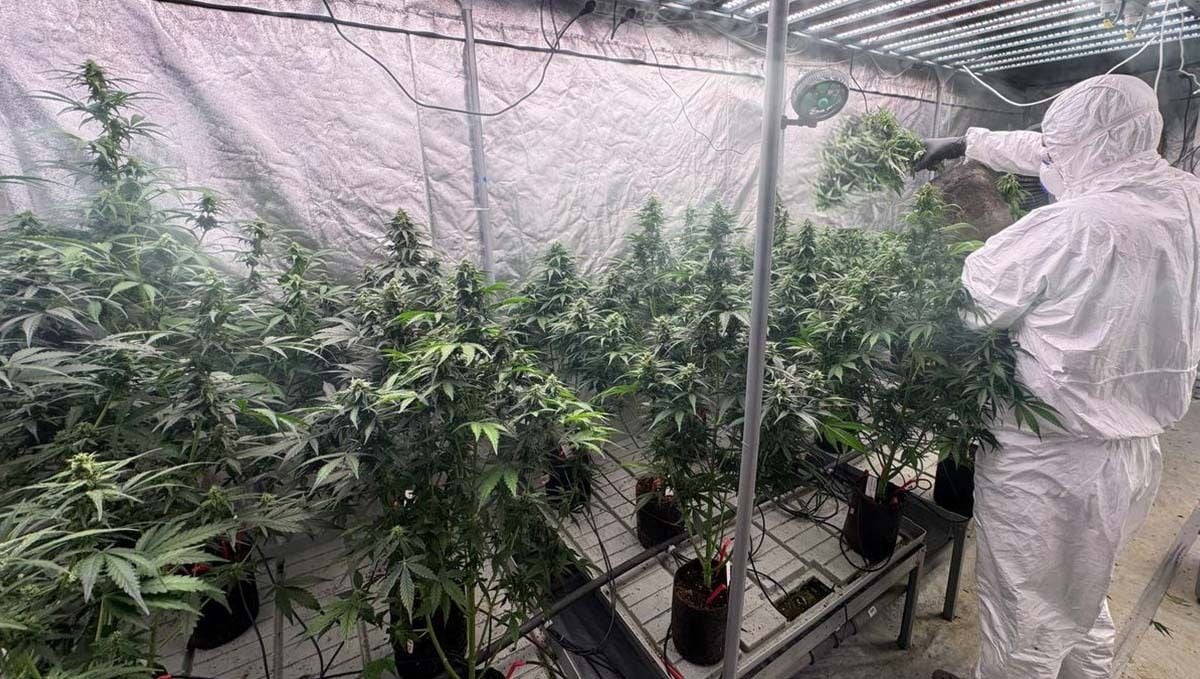
Pollination of Amnesia Haze

Pollination of Amnesia Haze


Post-pollination stage.

After a week of pollination, we can observe clear signs of a successful process on the mother plants. During the post-pollination stage, active seed development begins within the flowers.
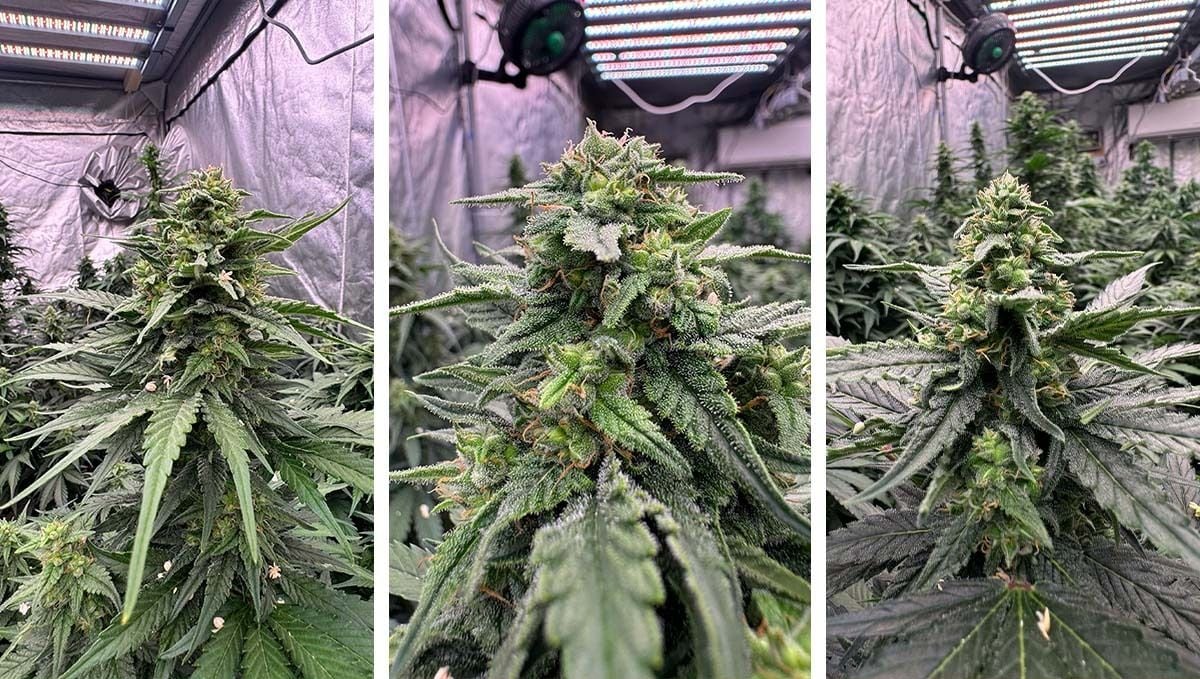
Post pollinated Amnesia

Amnesia after pollination

Once the beginnings of seeds are visible on each cola, both top and lower, we can safely remove the male plants, as they have already fulfilled their role in this production. It’s incredibly beautiful to witness new life emerging inside each flower.

In the coming weeks, the mother plants will be focused solely on the active maturation of seeds within the buds. As all plants have already been selected based on growth, structure, and the timing of their transition into flowering, what lies ahead is the final selection stage.

This will be the most important selection, as we will now be able to evaluate bud structure and keep only those that meet all of our criteria. At the same time, the key objective is the search for that specific terpene profile we are chasing in this run, in order to preserve the best genetics across all aspects.

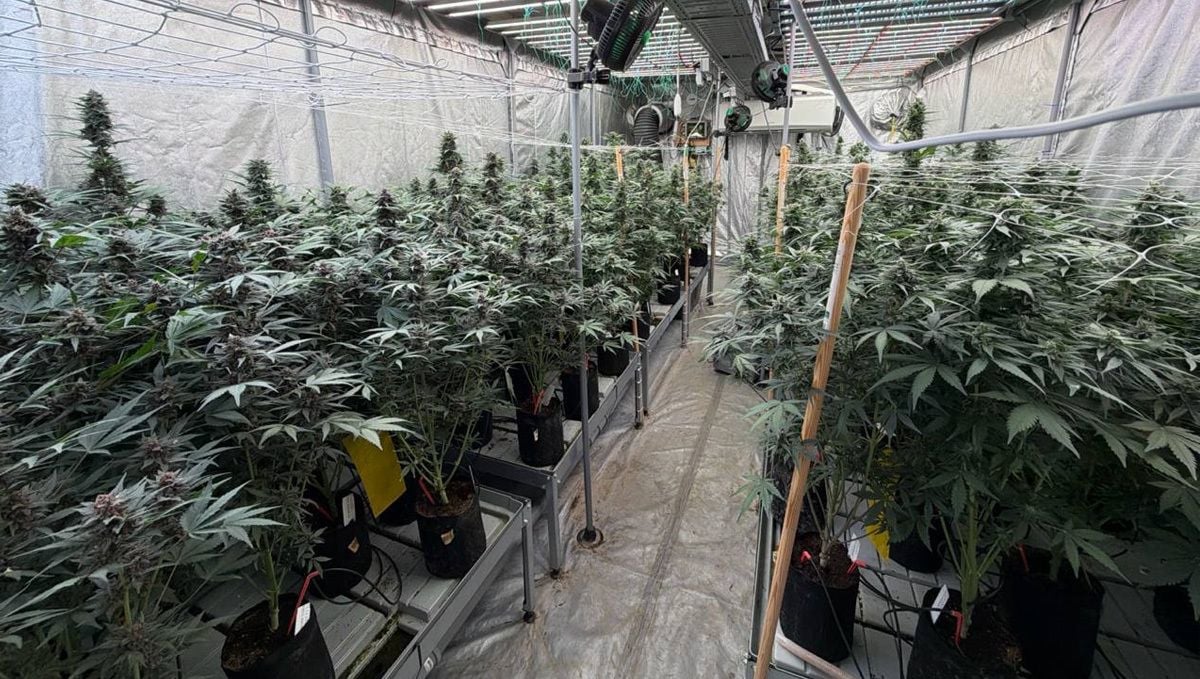
Amnesia Haze – Final Stage Before Harvest


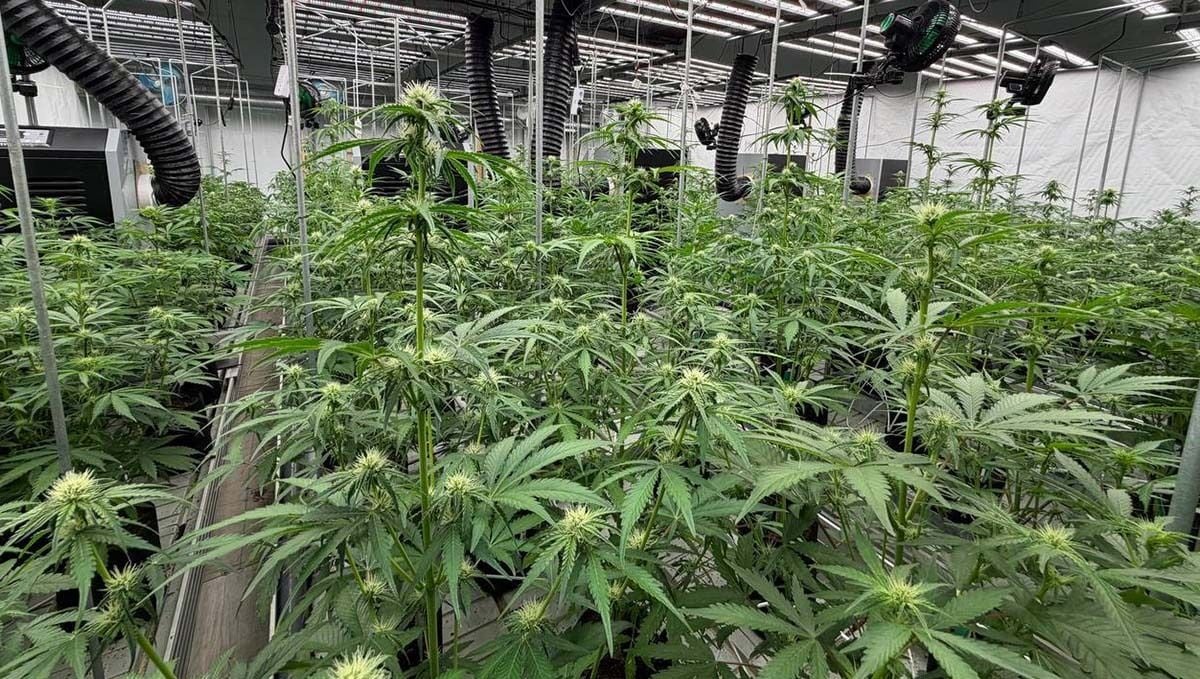
Our Amnesia Haze cycle is moving into its final stage and is now close to completion. At this point, we are approximately two weeks away from harvest, and the plants are fully expressing their character. Structure is set, flowers are well formed, and the overall development is exactly where we want it to be.
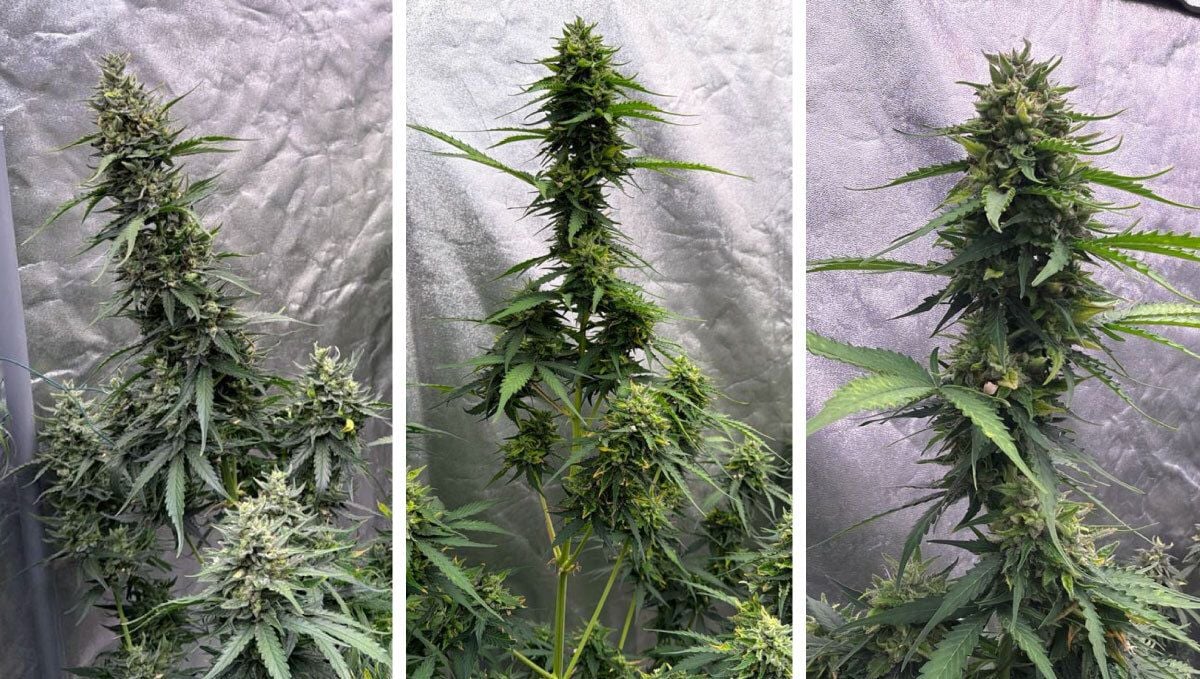
Amnesia Haze

Amnesia Haze of Final Stage

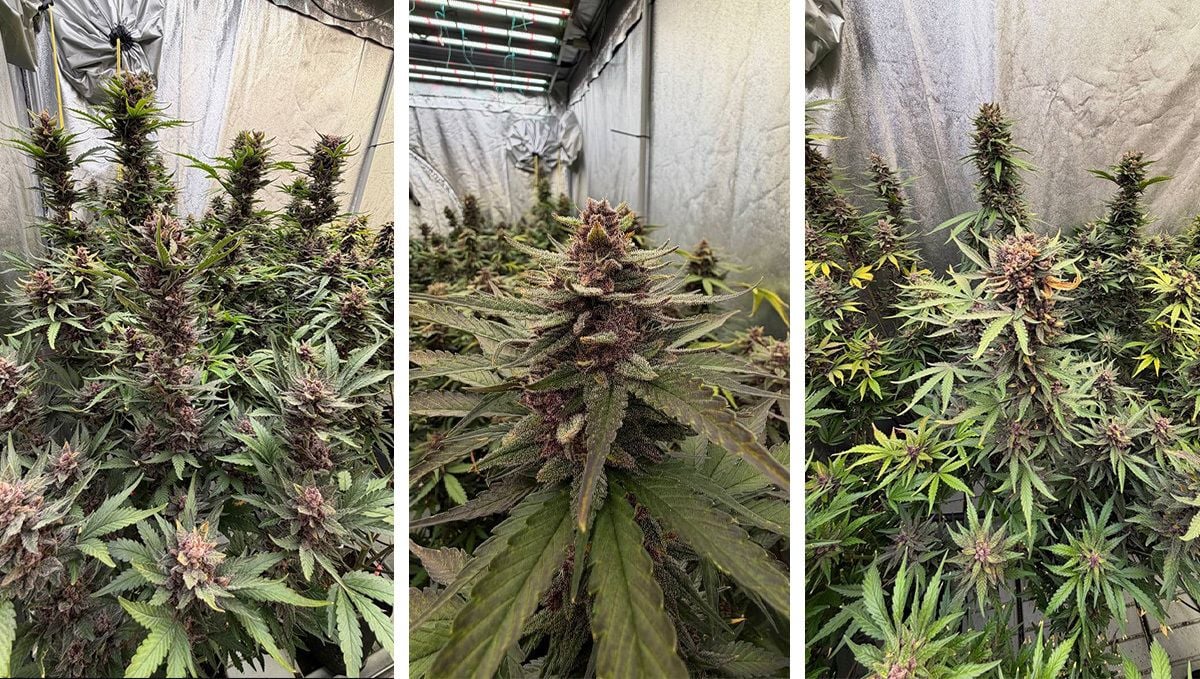
One of the most striking aspects right now is the aroma. The entire grow space is filled with that unmistakable haze profile we have been aiming for. It is a deep, nostalgic scent that instantly takes you back. Sharp, complex, and familiar in the best possible way. This is exactly the direction we were working toward from the very beginning.
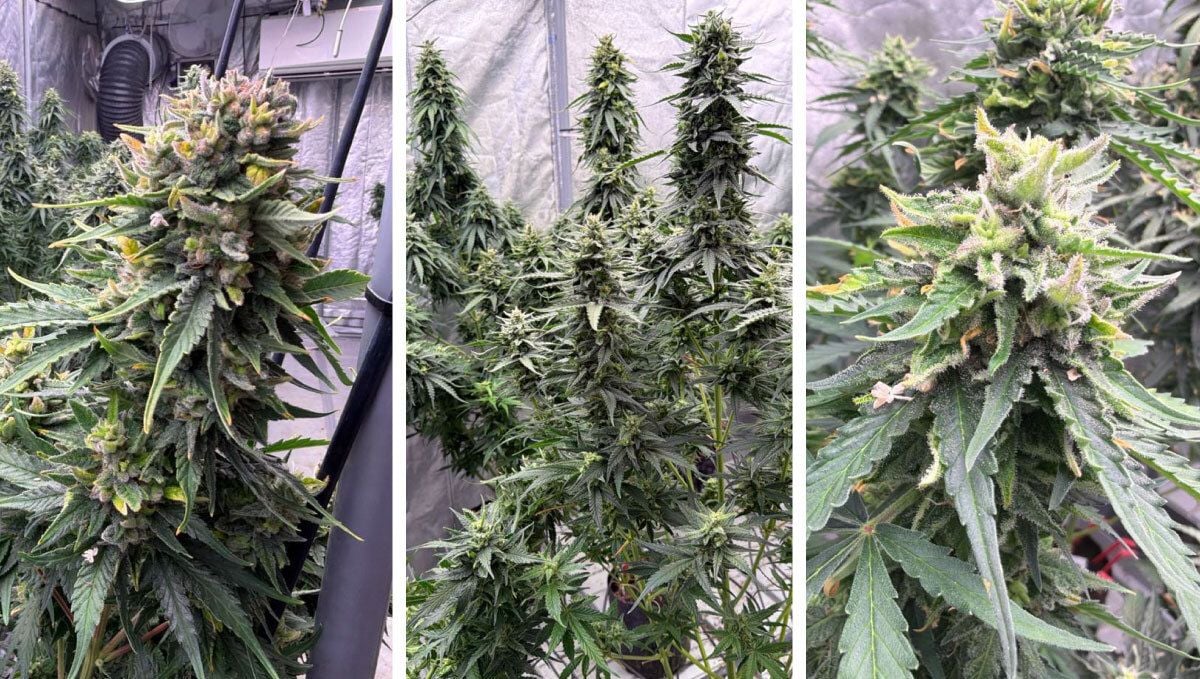
Amnesia

Amnesia Haze

We are sharing photos that already show the full strength of this Amnesia Haze. The plants are dense, expressive, and consistent across the population. Every detail, from structure to flower formation, reflects the work that has been done throughout the cycle.

In the end, we kept 36 plants in this run. However, the number itself is never the goal. If needed, we would have reduced the selection even further. Whether it is 36 or 15, the principle remains the same. We do not produce for quantity. We always focus on quality.
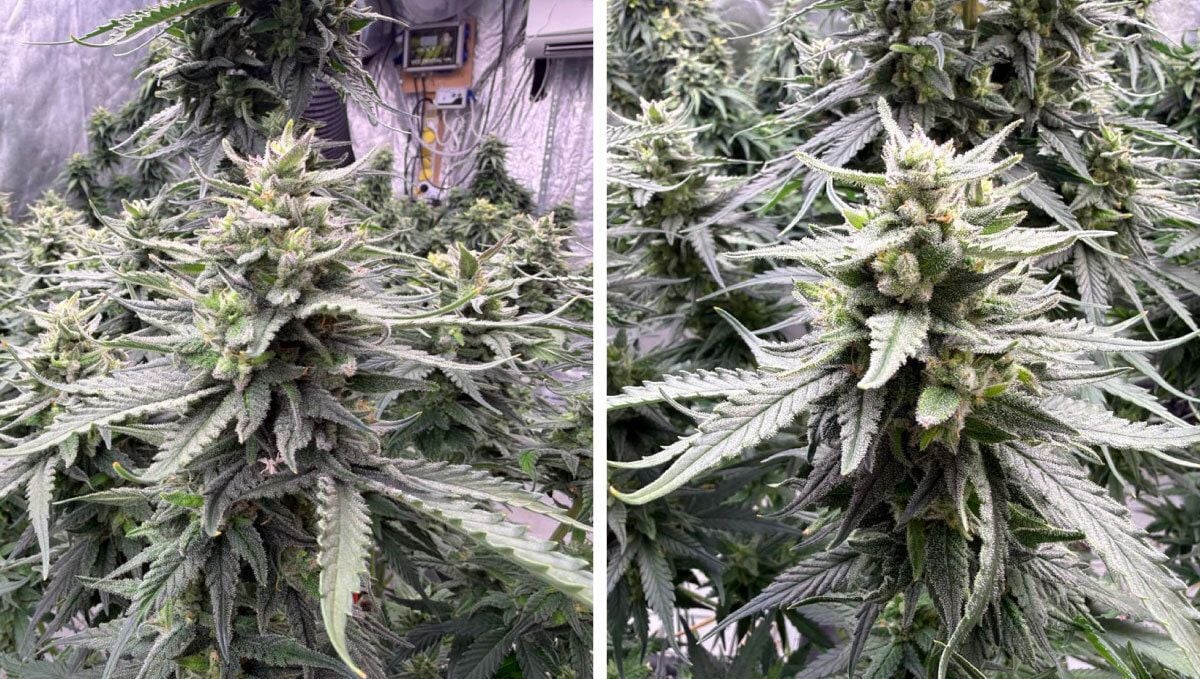
Amnesia Heze

Amnesia Haze with seeds

As we approach harvest, the final stretch becomes all about precision. Monitoring ripeness, maintaining balance in the environment, and allowing the plants to reach their full potential without disruption.

Very soon, we will move into harvest and begin the final evaluation. This is where all the work comes together and shows its true result.

Amnesia Haze – End of the Seed Cycle


And so, we have finally reached the end of this Amnesia Haze journey. The seeds are now fully mature, and the plants are ready to move into harvest.

We may not have mentioned this earlier, but seed runs usually take around two to three weeks longer than regular flower-only cycles. When a plant is focused on producing seeds, its entire rhythm changes, and more time is needed for full maturation. This is why seed production always requires extra patience and precise timing.
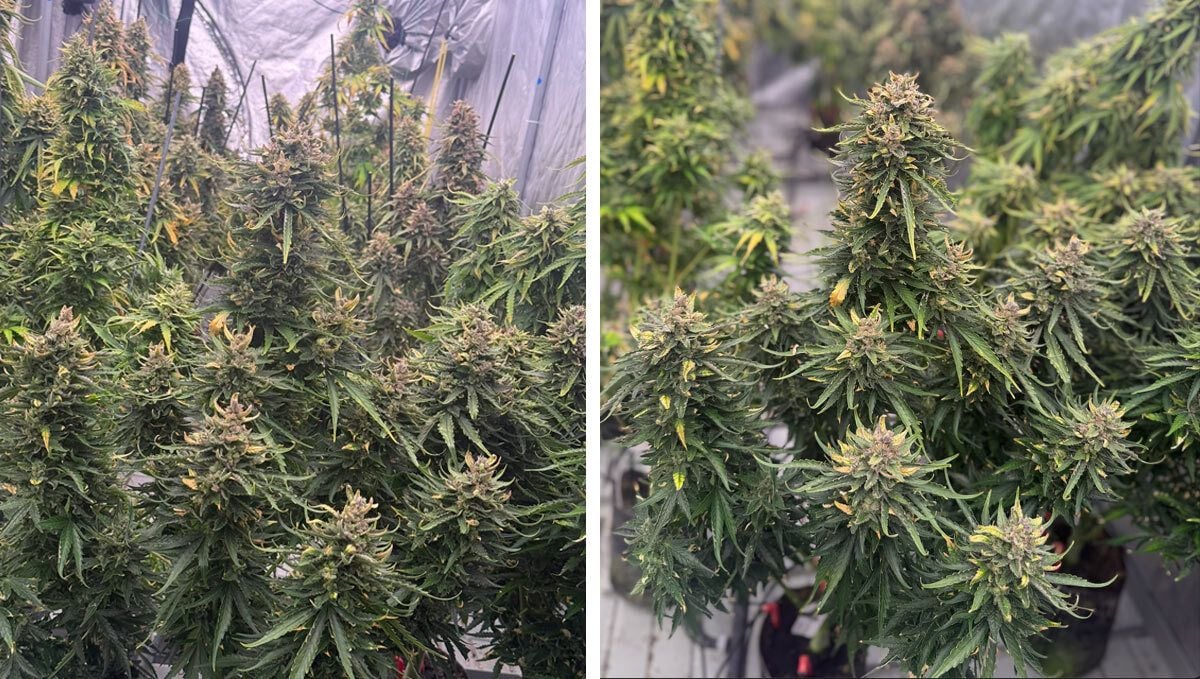
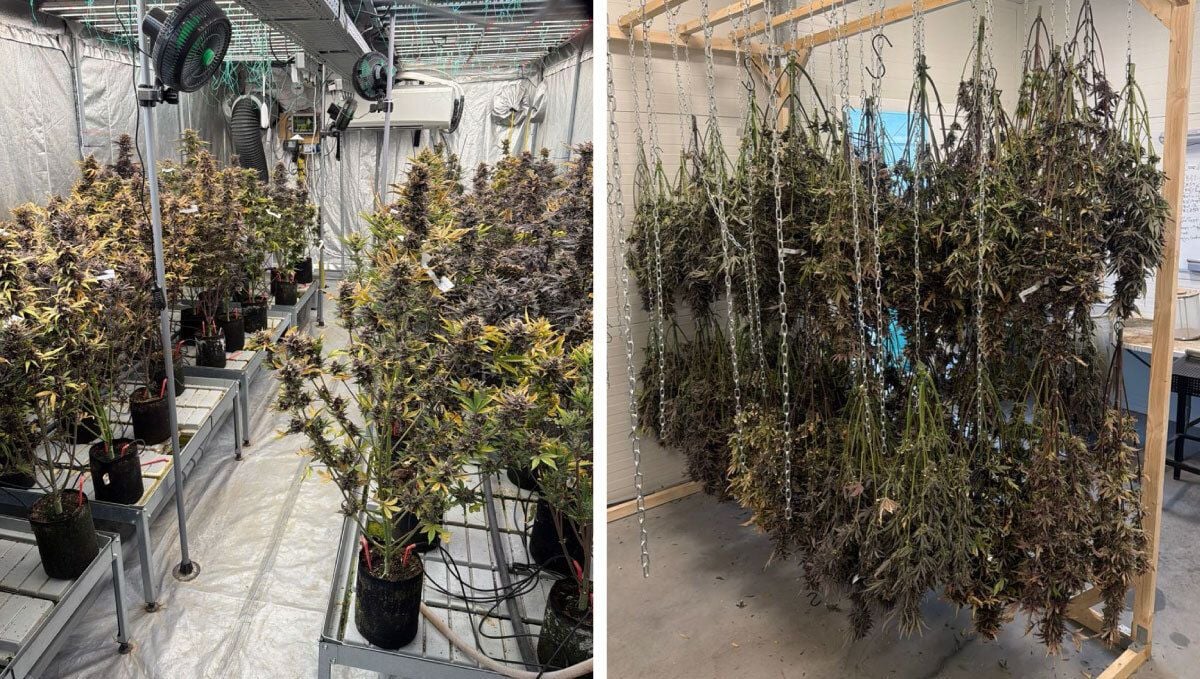
End of the Seed Cycle

End of the Seed Cycle

Our plants were successfully harvested and moved into drying. After the drying phase was complete, the seeds were carefully processed and separated. This marks the completion of one chapter of the project, but in reality, the most important part is only beginning.

The next step is testing the final result and, most importantly, continuing to improve the haze terpene profile. Haze remains an untouchable classic within our niche. Even today, growers and smokers continue to appreciate that unmistakable old-school aroma and effect.
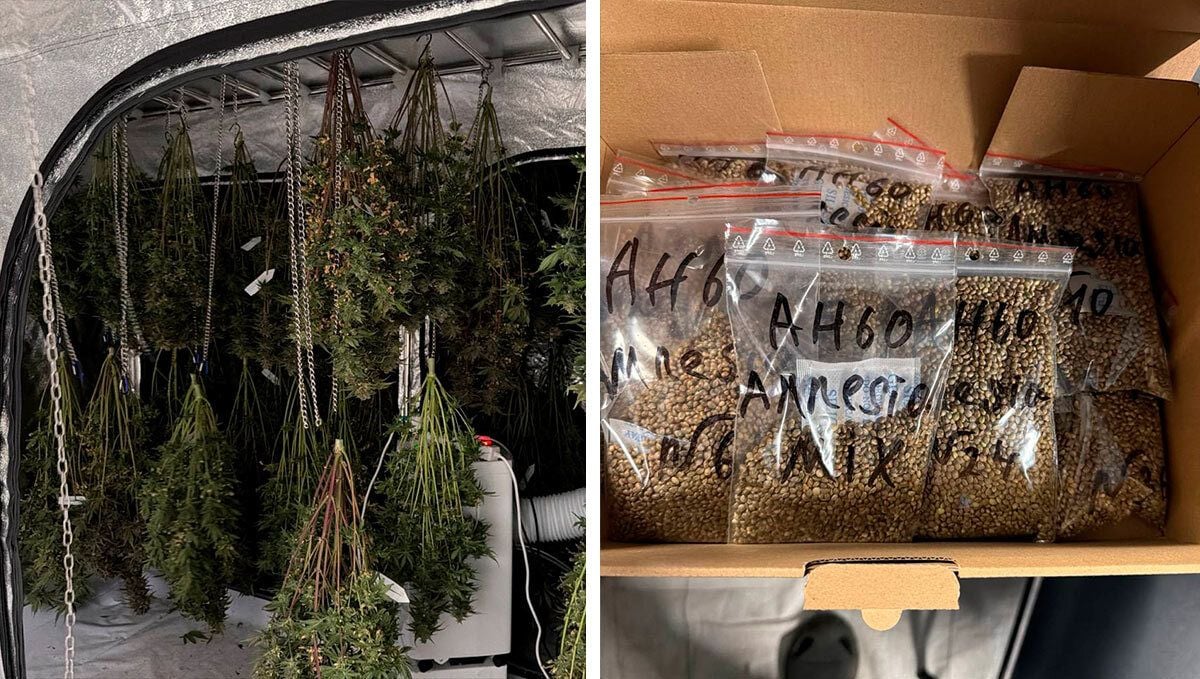
seeds were carefully processed and separated

seeds were carefully processed and separated

Our goal is not to change the identity of Haze, but to refine it and push it further. We want to preserve that classic atmosphere while making it even cleaner, stronger, and more enjoyable for the final consumer.

And for now, you still have the opportunity to witness the next stages of testing with us. The journey continues, so enjoy the process and stay tuned for future updates.

Credits: 2fast4buds.com

New F1 Autoflowering Line

F1 Crosses New Releases

We are opening a new chapter focused on our latest F1 cross projects. While the father genetics remain undisclosed, all current new releases have been crossed with Guava Auto, Lemon Cherry Cookies Auto, and Frostbanger Auto. These three lines form the foundation of this cycle and set the direction for everything that follows.

Large-Scale Autoflower Testing

Large-Scale Autoflower Testing

We are genuinely excited to see how these combinations will express themselves. Our goal is to present truly outstanding F1 releases, but only after they prove their value and successfully pass all stages of testing. Nothing is rushed at this stage. Each project is given the time it needs to show its true potential.

For now, we are sharing the beginning of a large autoflower cycle. This run is designed to clearly show which genetics stand out, how they perform, and which ones truly deserve a place in your garden. It is a process of comparison, observation, and honest selection.

Start of the Cycle

Start of the Cycle

At the moment, nine new strains are already under testing, with three more joining the cycle soon. And this is only the beginning. In about two months, we will start testing an additional sixteen new projects that are currently in production in Thailand. That, however, is a story of its own.

Stay tuned for upcoming updates. As these plants grow and develop, we will continue sharing regular progress reports and insights throughout the cycle.

Current Stage


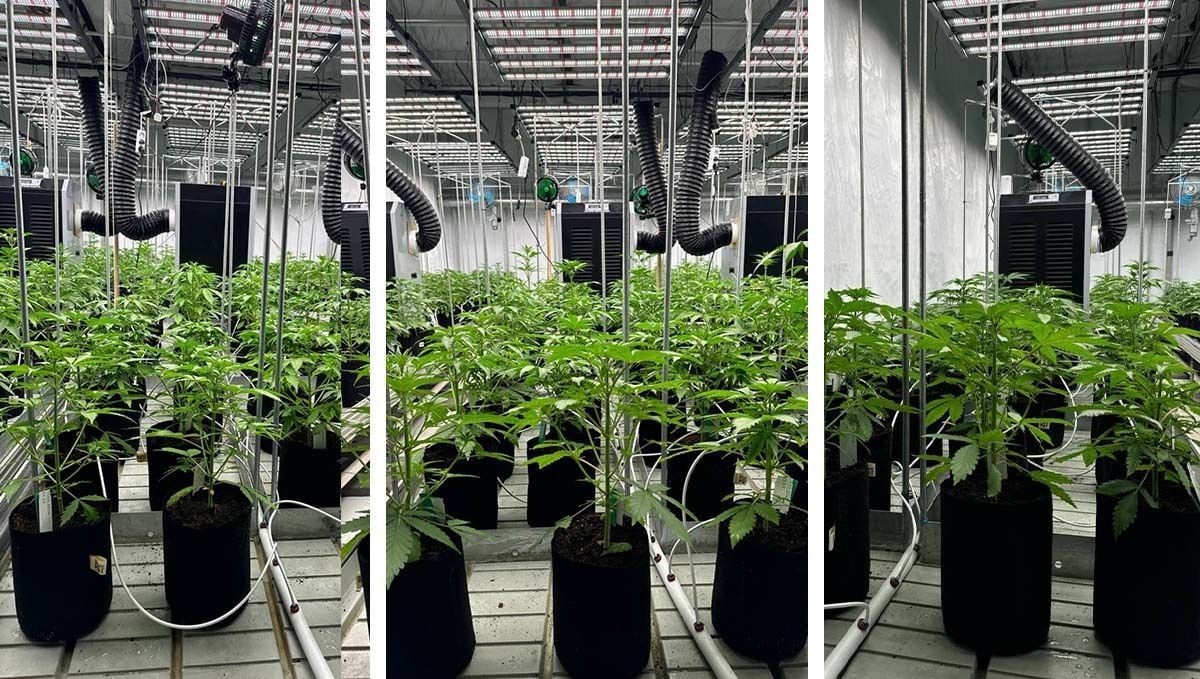
Today we are sharing a new update from our 2026 autoflower testing lineup. Over the past period, the plants have gained noticeable size and are now entering the pre-flower stage. Internodal development is accelerating, structure is becoming more defined, and the overall rhythm of growth is clearly shifting toward the next phase.

This is always a critical moment in the cycle. The transition into pre-flower sets the tone for everything that follows, and how plants behave here tells us a lot about their genetic balance.

Current Stage

Current Stage

Defoliation & Maintenance


During this period, we performed one round of defoliation, removing selected fan leaves to improve light penetration and airflow. This helps maintain structural balance and prepares the plants for stronger flowering development.

At the same time, we carried out a controlled flush. We periodically rinse our plants when needed, especially if we observe early signs of salt buildup on the leaves. This can occur when plants are not irrigated to proper runoff for a certain period. In such cases, pH may rise inside the medium, nutrient uptake can become restricted, and salt accumulation increases within the coco substrate.

Defoliation

3 Days After Defoliation (Fan Leaves Removed)

Flush Parameters


To restore balance, the coco must be properly flushed using a solution with controlled pH and stable EC. In our case, we reset the medium at pH 5.9 with an EC of 1.4 at this stage of growth. This helps stabilize the root zone and ensures nutrient uptake returns to normal before flowering intensifies.

Maintaining a clean and balanced root environment at this point is critical for consistent performance in the weeks ahead.

Flash

Flush Parameters

Lighting & Environment


Light intensity has also been gradually increased. Plants are currently receiving between 400 and 480 PPFD. Their posture and leaf orientation clearly show no signs of stress, indicating proper harmony with the current climate and feeding schedule.

This balance between light, nutrition, and environmental stability is exactly what we aim for before entering full flowering mode.

Looking Ahead

Current Stage and Overall Plant Appearance

First 10 Days of Flowering


The first 10 days of flowering are the most critical phase for us. This is where we closely evaluate how quickly each plant transitions into bloom. At the moment, we are testing 46 different strains, all moving through this stage under the same conditions.

Speed of transition is one of our top priorities. During this initial phase, we have already eliminated 9 new strains that were slightly behind the others in entering flowering. Even small delays at this stage are enough for us to make a decision.

First 10 days of Flowering stage

First 10 days of Flowering stage

Our focus is clear. We are breeding fast-flowering and fast-developing plants. This is a core standard for our work. Even if a strain shows strong terpene potential, it will not move forward if it does not meet our requirements in flowering speed.

We do not want our customers to face issues with slow or inconsistent flowering. Reliability and predictability are just as important as expression.

At this point, 37 new F1 strains remain in the cycle. However, we fully expect that 70–80% of them will never reach release. Selection is strict. A new variety must meet a full set of characteristics, all aligned with our quality standards. Only those that match every requirement will make it to the final stage.

Looking Ahead 


Overall, the plants are developing confidently and steadily. Very soon we will begin to see the first signs of bud formation. Shortly after that, the first aromas will start to emerge, revealing early terpene expression from these new 2026 genetics.

Looking Ahead

Looking Ahead

This upcoming flowering phase is always one of the most exciting periods of the cycle. It is where structure turns into production and potential begins to take shape. We are looking forward to seeing how each project expresses itself in the weeks ahead.

Development Continues

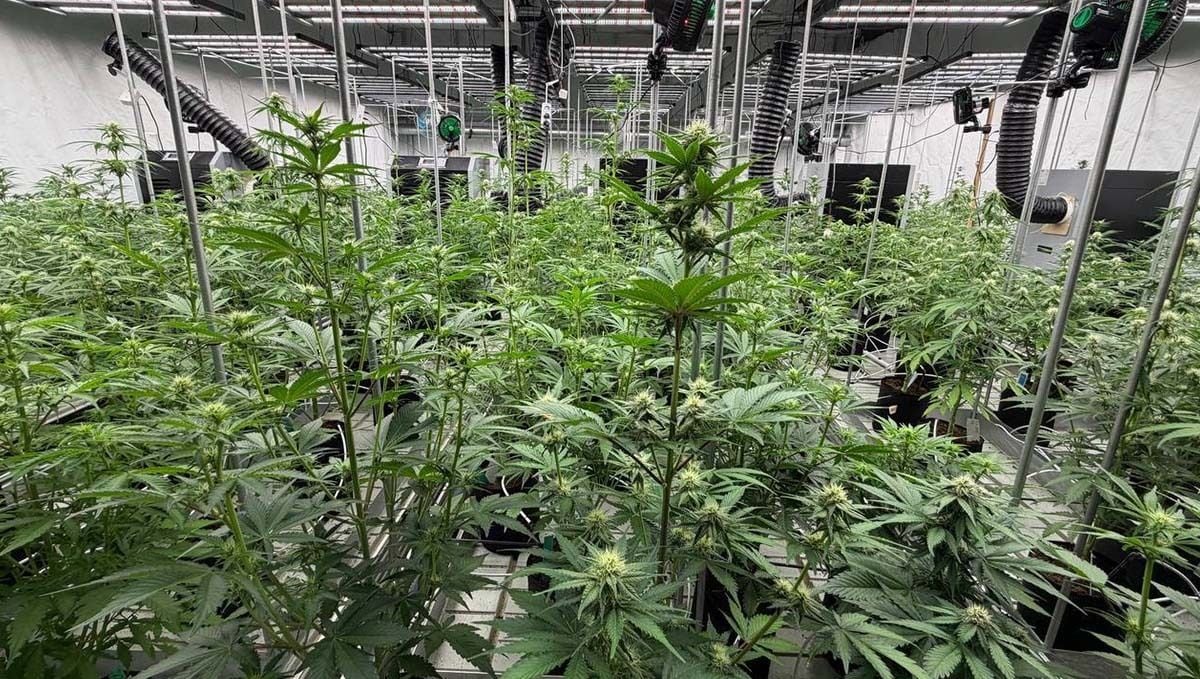
We continue working on our F1 lineup for 2026. The current testing cycle is moving forward steadily, and plants are already showing early signs of their individual expression. Structure is becoming more defined, and differences between phenotypes are starting to appear more clearly.

Development Continues

Development Continues

At this stage, the main focus is observation. Each plant is carefully monitored to understand how it behaves under identical conditions. Growth rhythm, leaf structure, internodal spacing, and overall plant balance are all being evaluated side by side.

What makes this phase especially important is that early signals often reflect long-term potential. Plants that show stability and confidence in their development now are the ones most likely to perform strongly later in the cycle.

What Comes Next


As the cycle progresses, we expect to see more defined traits, stronger structural differences, and the first signs of flowering expression. This is where the real identity of each cross begins to reveal itself.

Plants Developing at Different Rates

Plants Developing at Different Rates

We will continue sharing updates as the plants develop. Step by step, this process will show which F1 projects are ready to move forward and which ones will be left behind.

Harvest Run Finale — Washed Roots, Loaded Tops and Terps in Full Effect

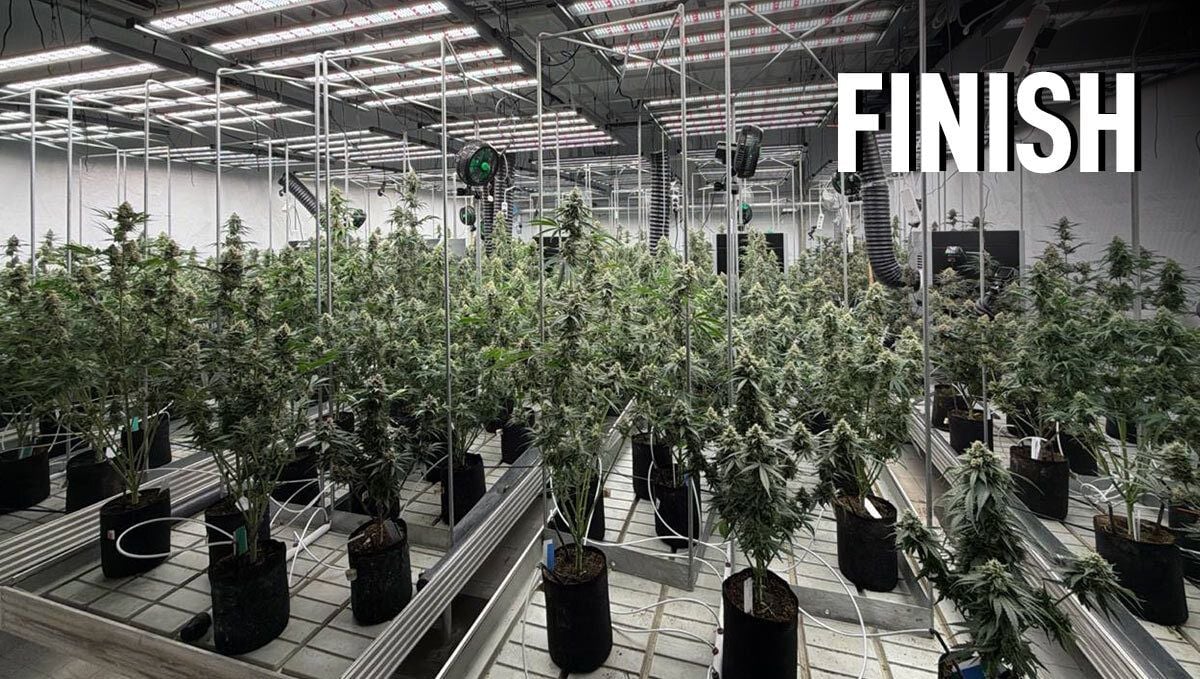
Last days of big test cycle

Last day of test run cycle

We are on the final stretch of the run, and it is time to start flushing the plants. The test never ends with how the buds look — to really understand the true flavor and terpene profile of each line, the remaining salts in the coco need to be washed out properly. Only then you can taste what the genetics actually carry, not the leftover nutrients.

The first flush is done gently: one day with plain tap water, without fertilizers, so the plants do not experience a brutal nutrient drop in a single shot. From the second flush onward, we switch to RO water with a stable pH of 6.0, keeping the solution as clean and neutral as possible while the plants finish.

Flushing continues until the input EC and the runoff EC are more or less aligned. When your meter shows around 0.2–0.3 EC in the drain, the substrate is clean enough and the plants are ready to be cut. At this point, every strain shows its own character — each one unique, pulling the best traits from its parents and expressing them in its own way.

What This Run Gave Us: 

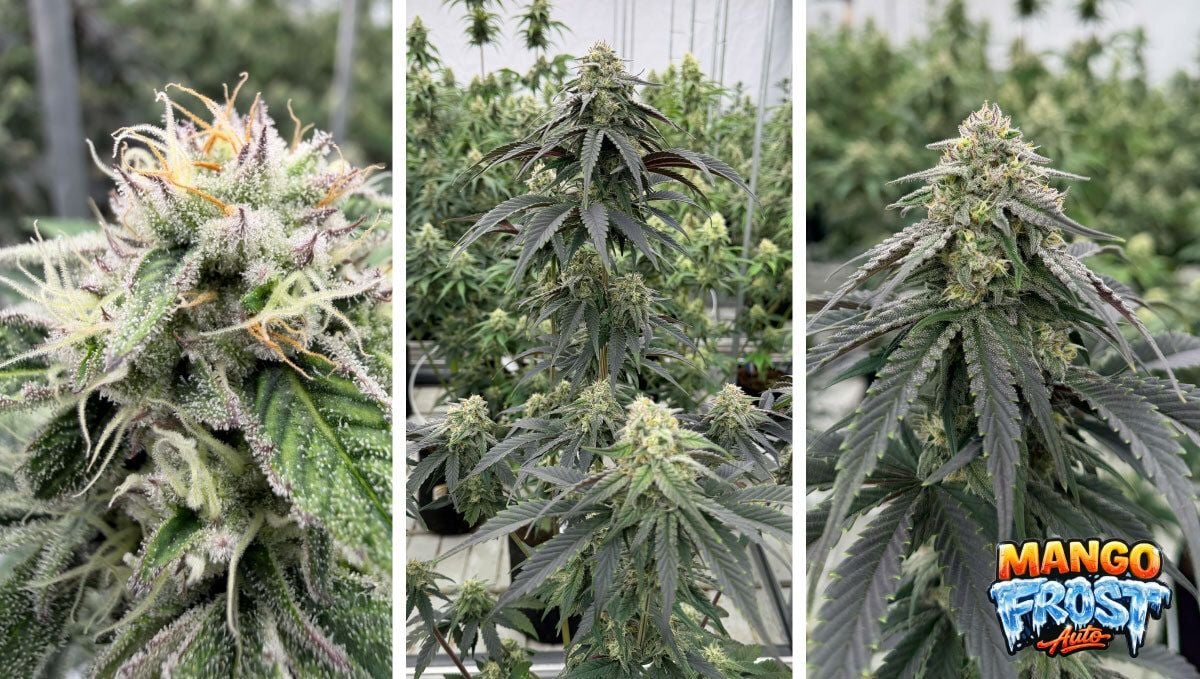
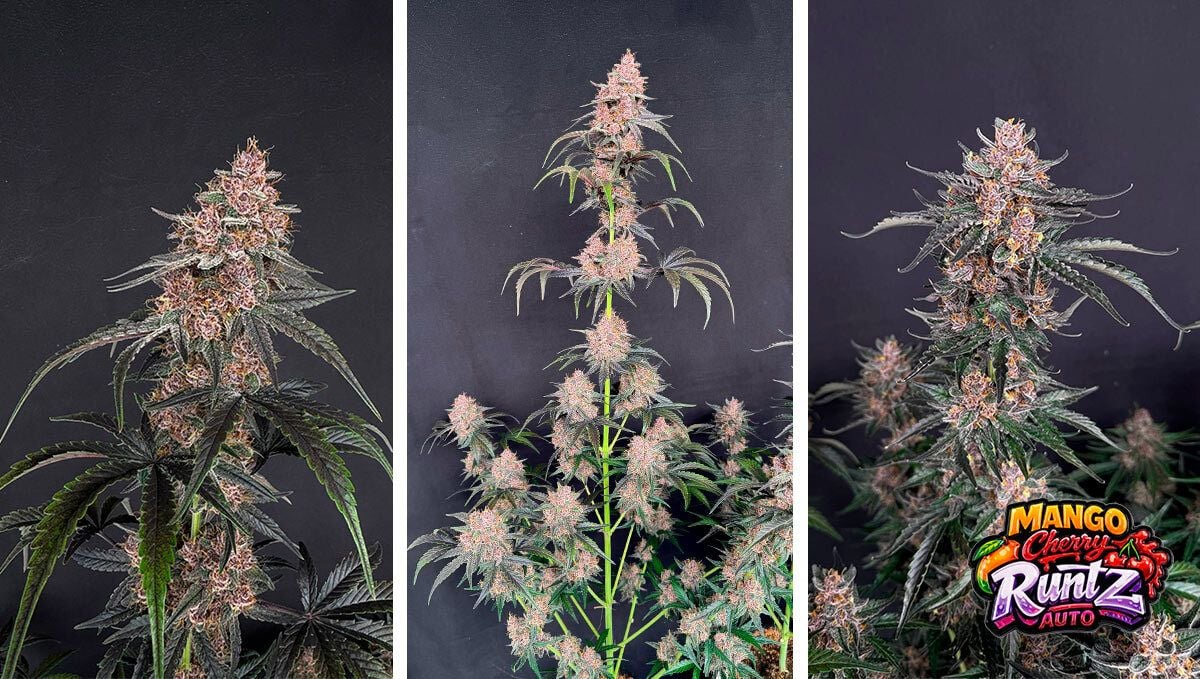
Mango Frost Auto

Mango Frost

Mango Frost One Week before Harvest

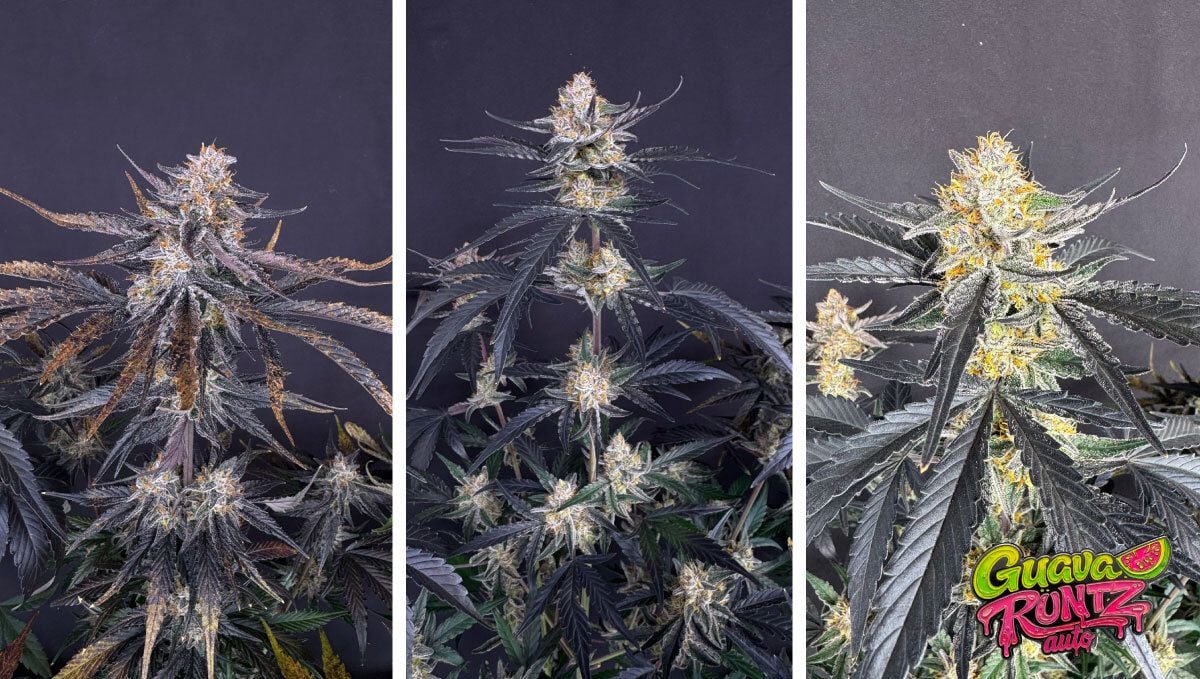
Guava Runtz Auto

Guava Runtz

Guava Runtz Harvest Day

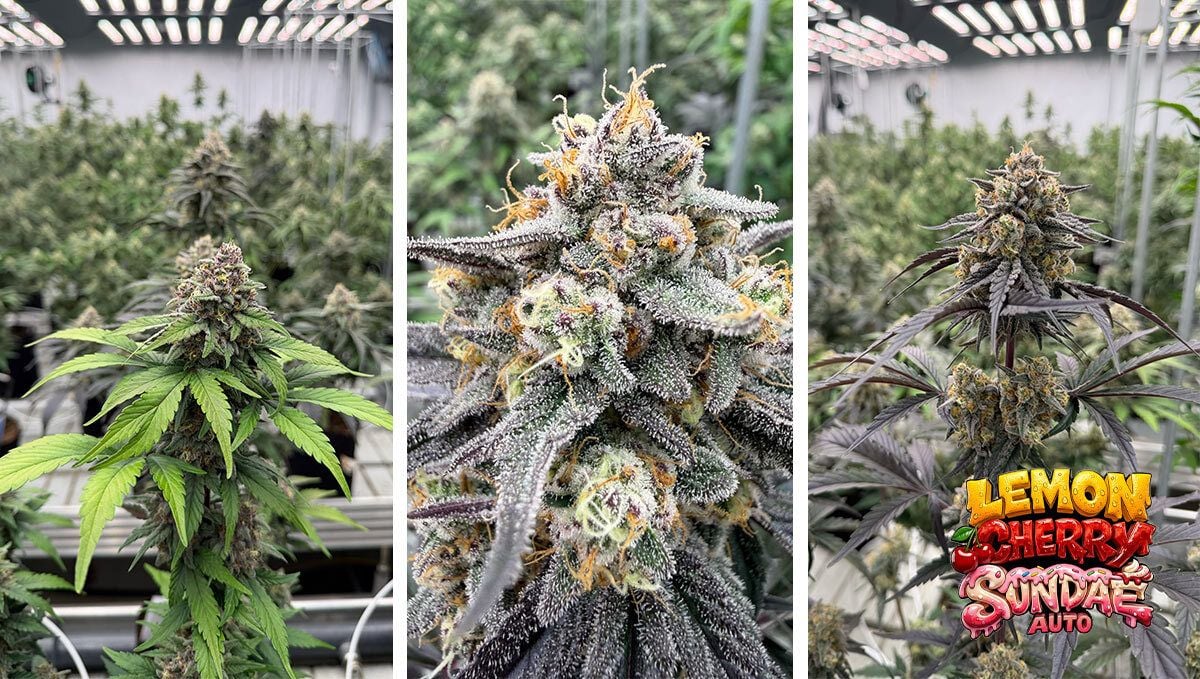
Lemon Cherry Sundae Auto

Lemon Cherry Sundae One Week Before Harvest

Lemon Cherry Sundae One Week Before Harvest

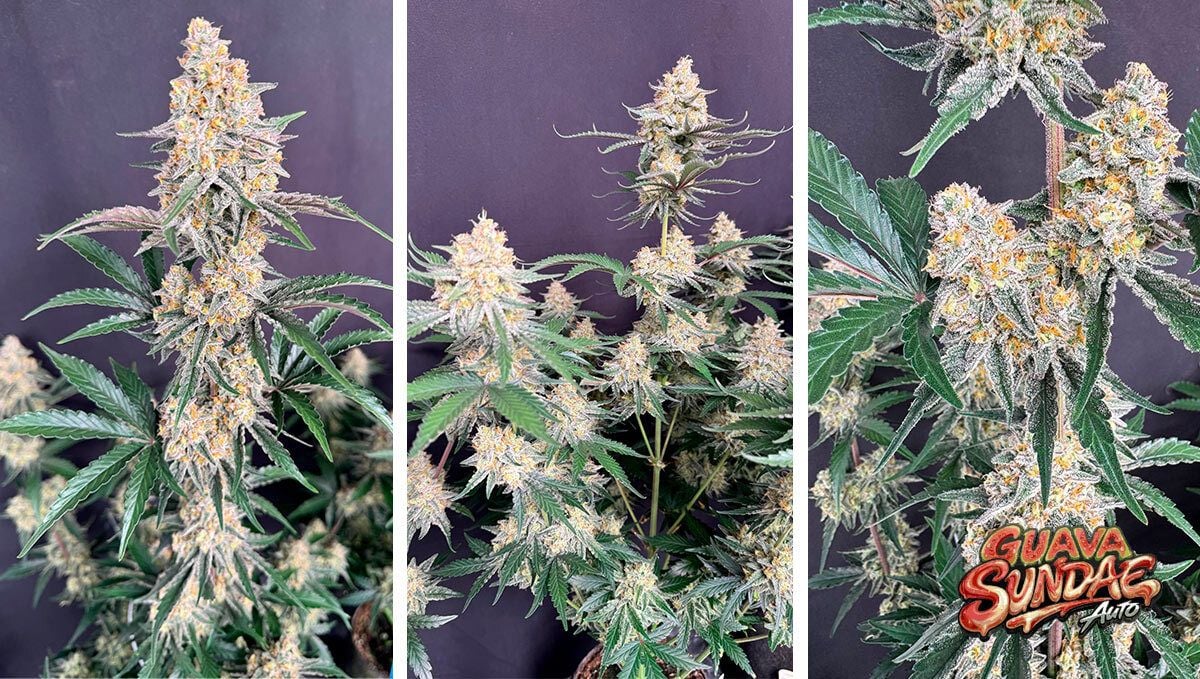
Guava Sundae Auto

Guava Sundae Harvest Day

Guava Sundae Harvest Day

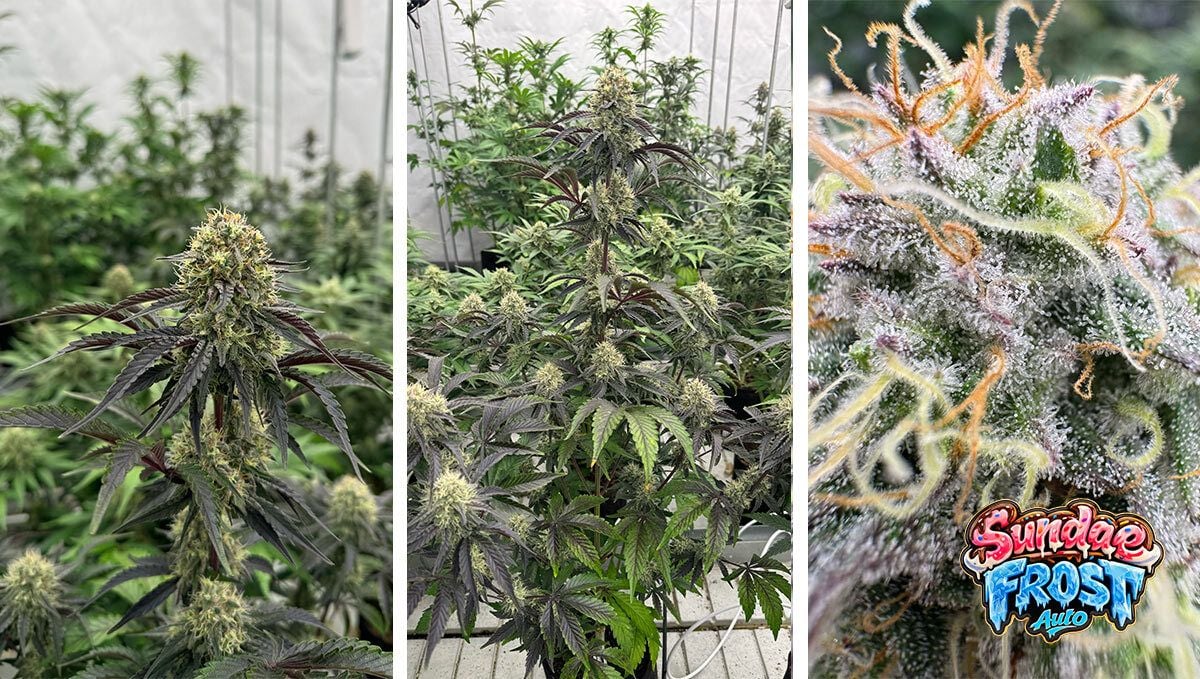
Sundae Frost Auto

Sundae Frost One Week Before Harvest

Sundae Frost One Week Before Harvest

Mango Cherry Cookies Auto

Mango Cherry Cookies Harvest Day

Mango Cherry Cookies Harvest Day

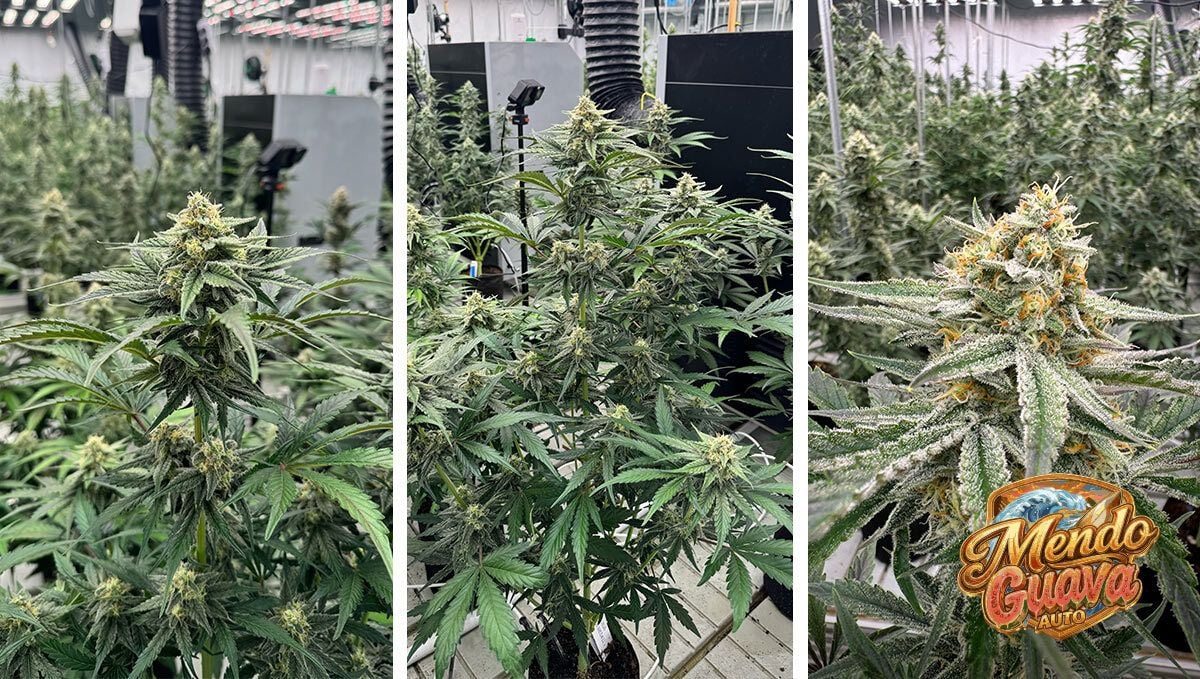
Mendo Guava Auto

Mendo Guava One Week Before Harvest

Mendo Guava One Week Before Harvest

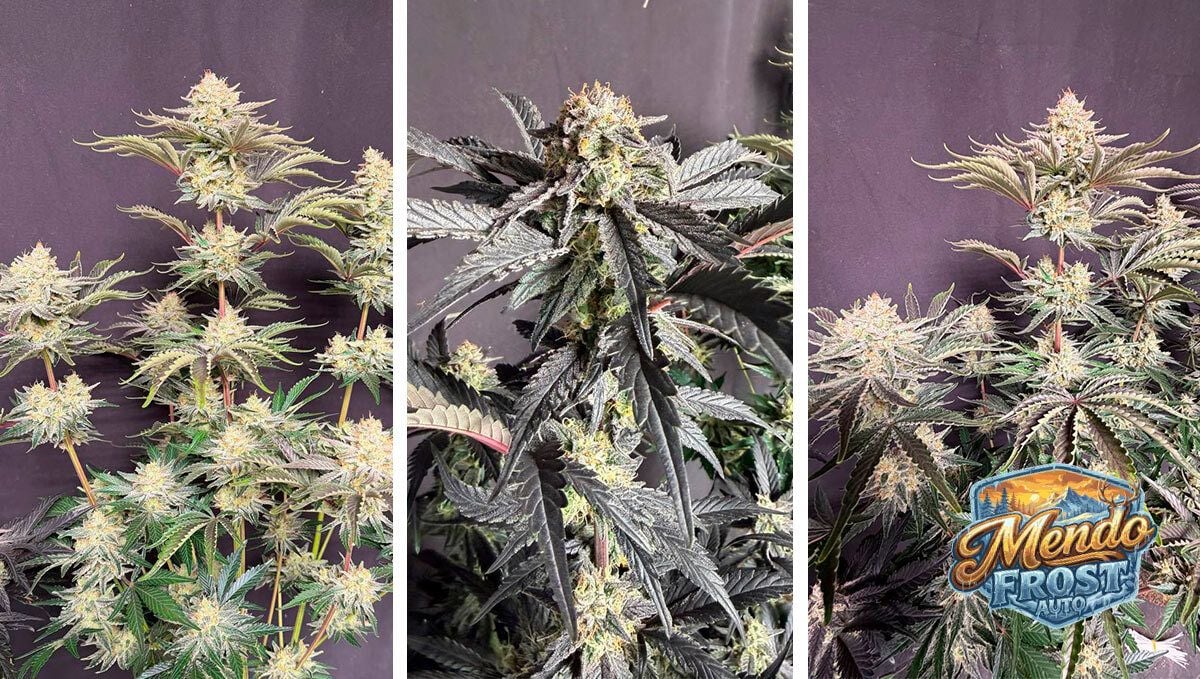
Mendo Frost Auto

Mendo Frost Harvest Day

Mendo Frost Harvest Day

Conclusion : F1 That Sets the Bar

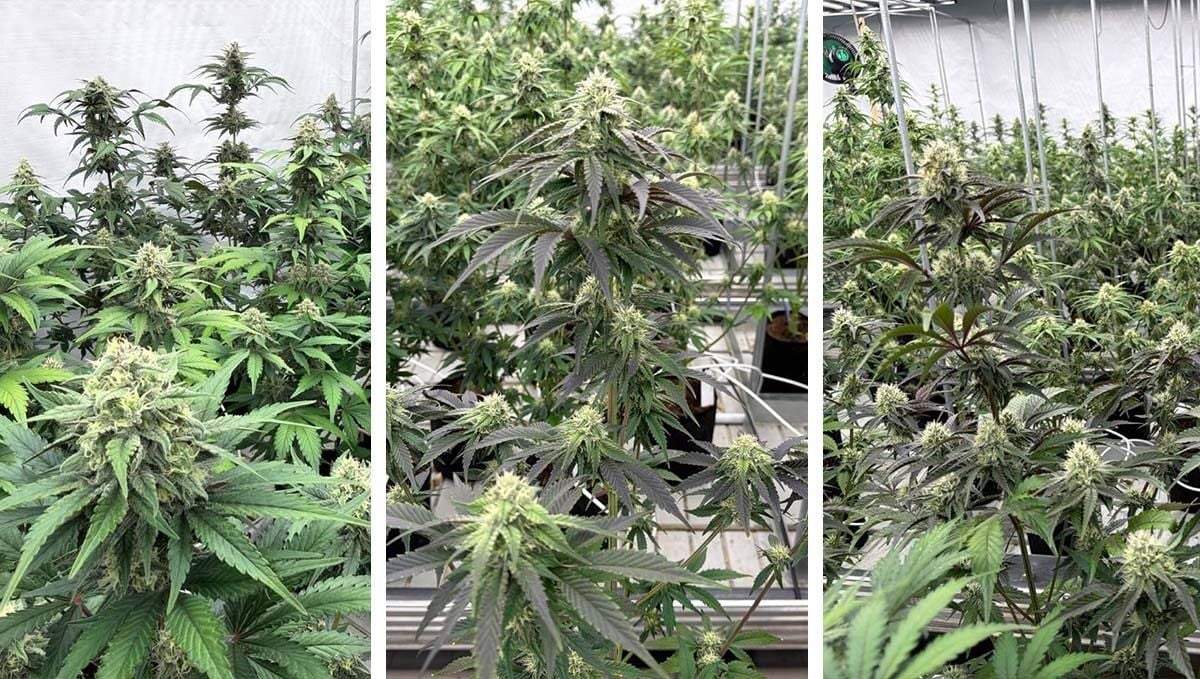
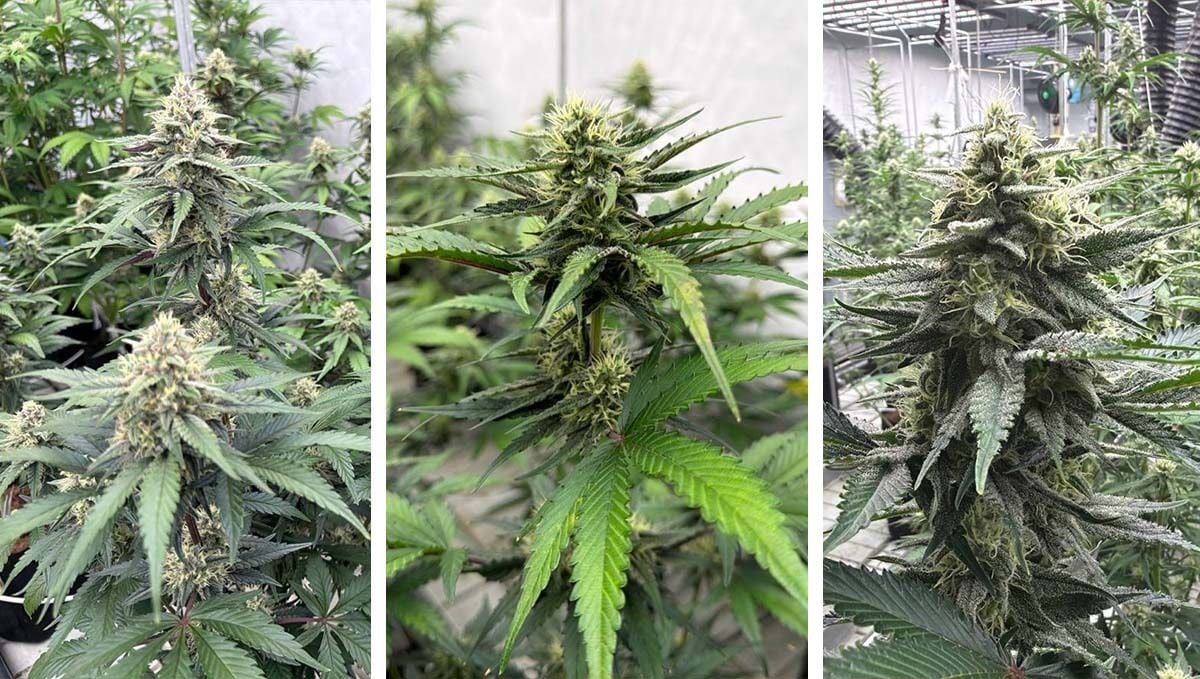
This F1 generation came out genuinely powerful and remarkably stable. The room was filled with plants that shared a strong, consistent structure and responded perfectly to light training techniques like lollipopping and shaping, making canopy management almost effortless.

The tops finished dense, sugar‑coated and expressive, with terpene profiles that really stand out : rich, layered and memorable rather than generic. It is the kind of run where you don’t just see the genetics, you feel them in the room.

And this is only the beginning for this line. We’ll keep pushing it further, testing, selecting and refining.

Lemon Cherry Cookies Auto

Lemon Cherry Cookies RF3 : Germination Phase

For the Lemon Cherry Cookies RF3 run, we germinate 200 seeds to eventually select the top 50-100 standout phenotypes that will define this generation’s expression.

Soaking seeds LCC

Soaking seeds Lemon Cherry Cookies


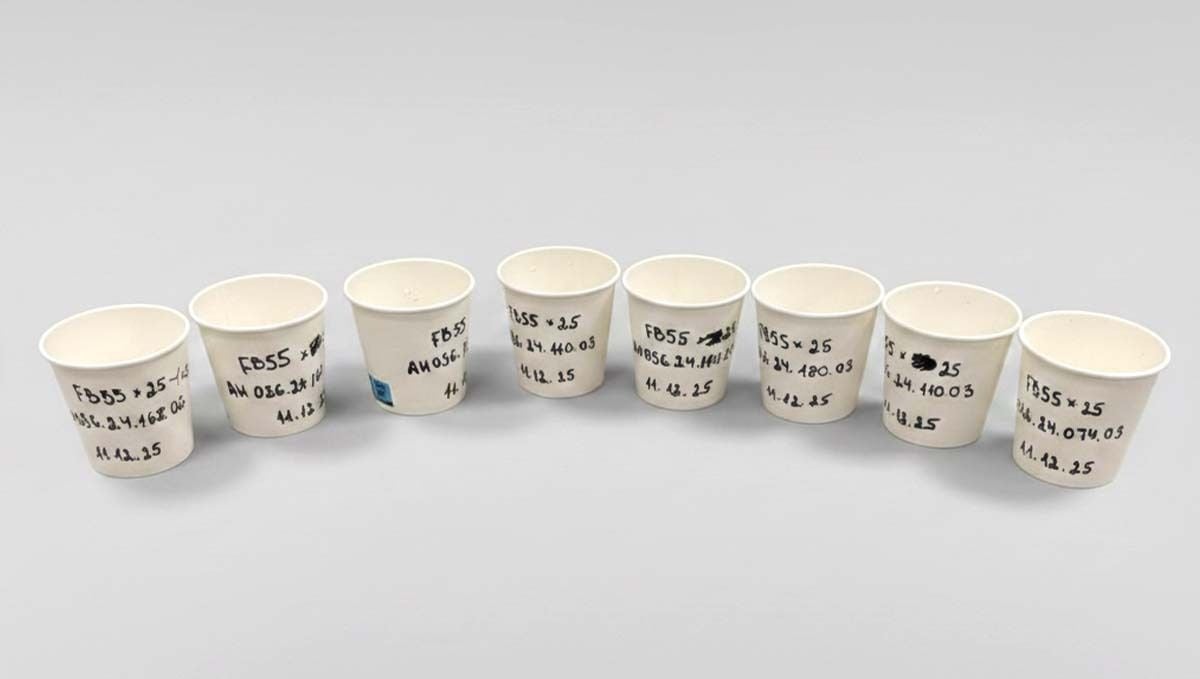
The germination process follows the simplest and most reliable method soaking seeds in water. We use tap water adjusted to 0.6 EC, balancing the pH between 5.9 and 6.2. Proper water chemistry ensures that the seeds hydrate evenly and roots develop with stable vigor. Always use room-temperature water never cold or hot as temperature shock can drastically slow down germination or deform early root growth.

Each batch goes into standard disposable cups, no more than 25 seeds per cup. Over multiple runs, we’ve learned that this setup consistently produces straighter, more uniform roots, making the transplantation into Sabika Peat faster and cleaner.

When working at scale, small optimizations like this multiply into massive efficiency gains.Always place your cups in a dark, warm space with stable room temperature. Avoid cold surfaces like concrete floors – they can quickly pull heat from the water, leading to delayed or uneven germination.

After roughly 36 hours, you’ll notice healthy roots reaching 0.5 – 1 cm in length a perfect signal to move into the next stage of our cycle.

Planting in Sabika Peat : From Shell to First True Light

After germination, all seedlings are transferred into Sabika Peat, where they spend the next 3-4 days making their first real push into the world. During this phase, we keep the light intensity gentle, up to 100 PAR, and raise the humidity to make it easier for them to shed their seed shells and open their cotyledons for photosynthesis.

Lemon Cherry Cookies in Sabika

Lemon Cherry Cookies planted in Sabika Konmax

Over the course of four days, you can see the first clear signal that it is time to move on: from below, the seedlings start to break through the Sabika Peat, and most of them have already dropped their shells.

Once the majority stand with clean, open cotyledons, it is the ideal moment to prepare the next substrate. That is when we start mixing coco and get ready for the next transplant stage.

Seedlings almost ready to transplanting


Preparation for Transplant : Setting Up Coco and Environment

For this stage, we prepare the substrate with a simple but effective mix: 90% coco and 10% humus. This is our standard blend, but you must stay especially attentive to plant behavior later during the transition from vegetative phase to preflower we will get into that in a separate entry.

If your coco has been stored in a cold room, always let it warm up to stable room temperature before transplanting. Young, fragile seedlings are highly sensitive at this moment, and even minor temperature stress can slow them down.

Filling 1 gal textil pot

 We carefully fill 1-gallon grow bags with the prepared coco mix, making sure there are no holes, air pockets, or uneven spots in the substrate, but also avoiding over-compaction. This structure helps roots rapidly colonize the entire pot : strong, expansive roots mean a healthy, vigorous plant. For this cycle, 160 one-gallon bags are fully prepared. In each pot, we also create a small planting hole and enrich it with Mykos : a mycorrhizal inoculant that forms a symbiotic relationship with the root system, improving nutrient uptake, root mass development, and overall plant resilience.

Adding Mykos


Next, we dial in the environment climate is a key factor for success. During the first weeks after transplant, seedlings need warmth and high relative humidity: ideally around 24 degrees Celsius (approximately 75 degrees Fahrenheit) and 70-73% RH. This gives us an optimal VPD range of 0.45-0.56, which is perfect for freshly transplanted seedlings.

Light intensity remains gentle at this stage no more than 130 PAR for the first five days. At the same time, we make sure there is active ventilation and a light airflow over the canopy, which works as both training and hardening for young plants.

Once the substrate, climate, and light are on point, it is time to transplant now the seedlings are ready to move into their coco homes.

Transplanting into Coco — First Watering and Root Protection

When transplanting into coco, the priority is to protect the delicate root system that has formed in the Sabika trays. Gently remove each plug, making sure not to tear or bend the young roots, then carefully place the plug into the prepared planting hole and lightly backfill with coco so the seedling stands stable but not buried too deep.

Planting

For the first irrigation, we keep the nutrient solution mild, in the range of 0.6-0.8 EC. At this early stage, it is crucial not to give the plants more nutrients than they can actually consume flushing excess salts from coco later is much more complicated than gradually increasing feeding once the plants clearly start demanding more. The pH is adjusted to 5.7-5.9, with a solution temperature of 20-22 degrees Celsius to keep the roots comfortable and active.

First watering

We also add Azos to this first watering, working in synergy with Mykos from the planting hole. Azos is a beneficial nitrogen‑fixing microbe that helps convert atmospheric nitrogen into a plant‑available form, supporting strong early root and vegetative growth, while Mykos (mycorrhizal fungi) extends the effective root zone and improves nutrient and water uptake together they create a powerful biological foundation for young plants.

A volume of around 250 ml per 1-gallon pot is enough in the conditions we set up earlier, and this initial watering will comfortably sustain the seedlings for the next two days before the substrate begins to dry back and invites the next irrigation.

Smooth Transition into Active Vegetative Growth

Lemon Cherry Cookies 1 - 9 Days

Lemon Cherry Cookies Auto 1-9 days

Now we are really in the game from here, the plants begin their steady transition into active vegetative growth.

Over the next two and a half weeks, we rely entirely on controlled hand‑watering, carefully adjusting the volume only as the plants actually demand more. This is a heavy workload, but it gives us full control over each pot’s dry‑back and root development, setting a clean foundation before switching to automation.

From the second week, as plants gain mass and start feeding more aggressively, the nutrient solution can be gradually increased up to 1.0 EC to match their rising demand.

We are already looking forward to connecting the automatic irrigation system, but until then it is all about precision and consistency.

Early Selection Continues


Another week has passed in our Lemon Cherry Cookies run, and the plants have continued to develop steadily. Growth over this period has been clearly visible, with most individuals maintaining a strong and uniform pace.

Early Selection

Early Selection

At this stage, small differences begin to appear. We can already identify a few plants that are slightly lagging behind the main group. These are not major deviations, but even minimal inconsistency at this point is enough for us to take action.

In total, this represents only around 3 to 6 plants, but they are removed immediately. If a plant does not meet our expectations from the start, we do not keep it just to fill space. Every position in the cycle must be occupied by a plant that fully aligns with our standards.

Overall View at This Stage

Overall View at This Stage

This approach keeps the population clean, balanced, and focused on quality. As a result, the remaining plants continue to develop in a more uniform and controlled environment, which becomes increasingly important as the cycle moves forward.

Two Weeks of Growth


Around two weeks of growth have passed, and our Lemon Cherry Cookies have reached a point where proper selection can now be carried out.

The plants have developed enough structure to clearly show differences in vigor, balance, and overall behavior.

In the video, you can see how the primary selection is being performed.

This is not the final selection of the fathers, but an important early filtering stage.

At the same time, mothers that do not meet our criteria are removed from the cycle.

Only plants that match our expectations in structure, stability, and growth behavior are allowed to continue.

Selection of Lemon Cherry Cookies

At the same time, the males have already been treated with STS and are moving toward the stage where they will soon be ready to release pollen. Their development is progressing as expected, and timing across the cycle remains well aligned.

Males of Lemon Cherry Cookies

Males of Lemon Cherry Cookies

 
Defoliation Stage


After completing the selection process, we move into defoliation. This is a key stage in the cycle and should not be overlooked.

Removing large fan leaves and performing lollipopping by clearing the lower skirts helps reshape the plant structure and prepare it for the next phase.

Defoliation before pollination

These actions significantly improve airflow within the middle layers of the canopy and allow light to reach deeper into the plant. As a result, growth becomes more directed and efficient, and the plant is able to develop in a more controlled and balanced way.

Proper defoliation at this stage creates the conditions needed for strong and uniform progression into the next phase of the cycle.

 Perfect Timing


At this stage, we move into one of the most important moments of the entire cycle – selecting the right window for pollination. By now, the males are fully ready and showing strong, stable expression. Their development has reached the point where pollen production is imminent.

However, readiness of the males alone is not enough. Timing must be perfectly aligned with the mothers. For successful pollination, stigmas must be properly formed and fully receptive. This is a very specific window, and missing it can directly affect the overall result.

Pollination of Lemon Cherry Cookies

In our case, we have hit this window exactly as planned. The mothers are at the right stage, with well-developed stigmas ready to receive pollen, while the fathers are fully prepared to deliver it. This synchronization is the result of careful planning and precise control throughout the entire cycle.

From this point forward, we enter an active pollination phase that will last approximately 7 to 10 days. During this period, pollination will be carried out consistently to ensure full coverage and strong seed development across the entire population.

This is where the cycle truly comes together, and where the future of the next generation is defined.

Post-Pollination Routine : Shaping the Final Lineup

Lemon Cherry Cookies Jungle

Lemon Cherry Cookies : After Pollination

After successful pollination, each plant goes through a strict selection based on a full set of predefined criteria, followed by grouping and arranging plants by phenotype expression. If a plant does not meet the required parameters, it is removed from the production run immediately, without compromise.

Once this selection stage is complete and only the best keepers in each phenotype group remain in the grow room until the end, it is time for a thorough defoliation. All weak or unproductive branches are removed, giving the plants more space to breathe and grow, allowing light to penetrate deep into the lower canopy for even seed maturation and helping to normalize airflow throughout the room.

In this cycle, after selection and phenotype sorting, we ended up with 67 plants that earned the right to stay until harvest.

Lemon Cherry Cookies : Post-Pollination Defoliation Timelapse

Two Weeks Before Harvest : Data, Color and Harvest Prep

Lemon Cherry Cookies : 14 Days Before Harvest

Lemon Cherry Cookies : 14 Days Before Harvest

By this point, the buds are fully formed and every plant has settled into its true color and expression.

At around day −14 before harvest, it is time to lock everything in: all key parameters for each plant are recorded, and a final document is created for the entire run. A full set of pre-harvest photos captures each keeper in its final state before the chop, so every plant has its own history for future reference.

Over the following 14 days, the room slowly shifts into an artificial autumn. Each day, light intensity is reduced step by step, encouraging the plants to finish, fade and redirect their remaining energy into the seeds. At the same time, the plants naturally start drinking less, so irrigation has to be strictly controlled.

If earlier they were on automatic watering 5–6 times per day, during these last two weeks individual events are gradually removed from the schedule. Too much water at this stage means excess moisture in the medium, which is the opposite of what is needed. The goal is to keep a careful balance where the substrate slightly dries back overnight, helping the plants to finish clean, without stress or over-saturation.

Lemon Cherry Cookies : Two Weeks Before Harvest

Harvest Complete


And just like that, our Lemon Cherry Cookies cycle has come to an end. And honestly, it was a beautiful one. Each harvest brings a sense of pride in the work that goes into every stage of the process. From early selection to final pollination, every step played its role in shaping the outcome.

However, this is not the end of the story. This part of the blog may be complete, but there is still much more ahead. In the upcoming updates, we will show how the seeds are processed after harvest, how they are prepared, cleaned, and stored.

Harvest

Harvest of Lemon Cherry Cookies

Most importantly, the journey continues with a full testing cycle of the next generation. What we have produced now will go through another complete run, this time focused on flower production rather than seed making. Over the next four months, we will observe how these genetics perform in terms of structure, bud formation, and overall expression.

This stage is one of the most important parts of our work. It allows us to truly understand the result we have achieved and determine which lines are ready to move forward.

The cycle may be complete, but the real evaluation is just beginning.

Select the fields to be shown. Others will be hidden. Drag and drop to rearrange the order.
  • Image
  • SKU
  • Rating
  • Price
  • Stock
  • Availability
  • Add to cart
  • Description
  • Content
  • Weight
  • Dimensions
  • Additional information
Click outside to hide the comparison bar
Compare
Shopping cart close